Why enterprises need data scientists for growth?
Be it large global enterprises or a small one, the need to possess access to sophisticated, easy-to-use business intelligence tools had almost become a necessity. With the help of these tools, the enterprise can acquire knowledge on data science and compete in local, regional and global markets effectively. When organizations undertake the process of researching and selecting a business intelligence tool they find that the market is crowded with all manner of tools and techniques claiming to be the effective business intelligence method. It is almost inevitable to sort through the confusion and select a business intelligence solution that is right for business users and for the enterprise. That’s where the role of data scientists comes into play.

Imagine the world where business users can easily and dependably predict and forecast results without the help of data scientists, analysts or programmers. Imagine the world where business users become Citizen Data Scientists! While some organizations employ the services of data scientists to gather and analyze data, the world is moving very fast today and, in many cases, an organization cannot incur the cost or the time for a data scientist, analyst or programmer to complete the analysis required to make a swift decision, to identify the root cause of a problem or to forecast and predict results.
Data scientists are big data wranglers. They take a huge cluster of messy data points (both unstructured and structured) and use their admirable skills in technology, math, metrics, statistics, and programming to clean, massage and organize them. Then they apply all their analytic powers – industry knowledge, contextual understanding, and mapping of existing assumptions – to uncover hidden solutions to business challenges.
Every enterprise will have a tackle several challenges involving data analytics. Some treat their data scientists as expert data analysts or combine their duties with data engineers; others need top-level analytics experts skilled in intense machine learning and data visualizations. As data scientists achieve new levels of experience or change jobs, their responsibilities invariably change. For example, a person working alone in a mid-size company may spend a good portion of the day in data cleaning and mung. A high-level employee in a business that offers data-based services may be asked to structure big data projects or create new products.
Find a course provider to learn Data Science
Java training | J2EE training | J2EE Jboss training | Apache JMeter trainingTake the next step towards your professional goals in Data Science
Don't hesitate to talk with our course advisor right now
Receive a call
Contact NowMake a call
+1-732-338-7323Take our FREE Skill Assessment Test to discover your strengths and earn a certificate upon completion.
Enroll for the next batch
Data Science-Python-ML-AI-Deep Learning (Hands-on Training)
- Jun 25 2026
- Online
Data Science-Python-ML-AI-Deep Learning (Hands-on Training)
- Jun 26 2026
- Online
Related blogs on Data Science to learn more
Data Science in 2026: The Hottest Skill of the Decade (And How Sulekha IT Services Helps You Master It!)
Data Science: The Career that’s everywhere—and Nowhere Near Slowing Down "From Netflix recommendations to self-driving cars, data science is the secret sauce behind the tech you use every day. And here’s the kicker: The U.S. alone will have 11.5 mill
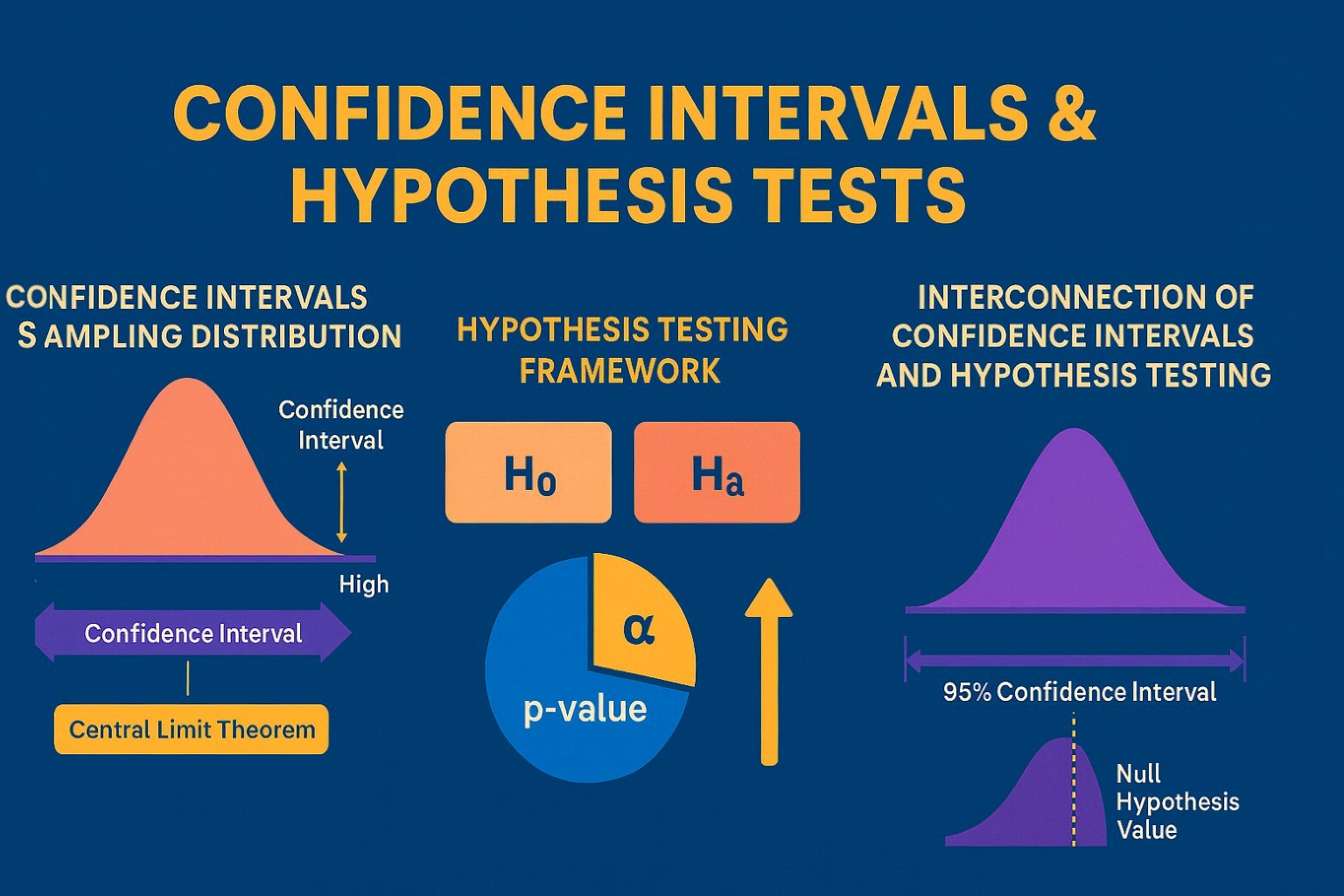
Confidence Intervals & Hypothesis Tests: The Data Science Path to Generalization
Learn how confidence intervals and hypothesis tests turn sample data into reliable population insights in data science. Understand CLT, p-values, and significance to generalize results, quantify uncertainty, and make evidence-based decisions.
Why Pursue Data Science Training?
Empower your career in a data-driven world. Learn why data science training is crucial for high-demand jobs, informed decisions, and staying ahead with essential skills.
Overview of data analytics VS data scientist
"Discover the key differences between data analytics and data science, explore top courses, job roles, salary expectations, and essential tools to build a successful career in these fields."
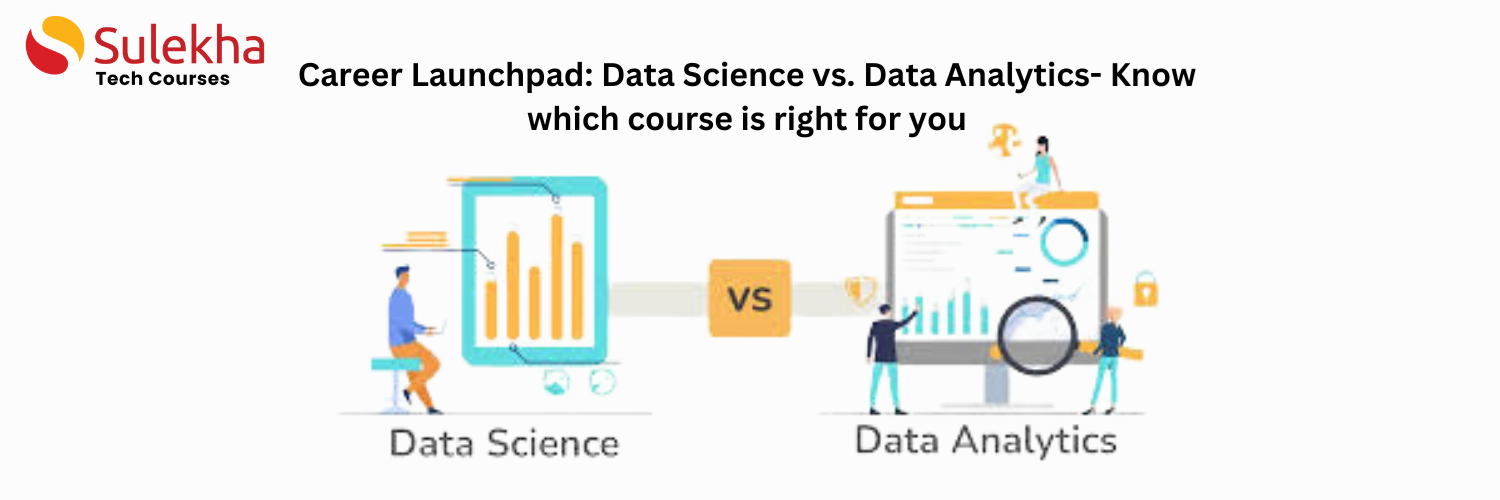
Career Launchpad: Data Science vs. Data Analytics- Know which course is right for you
Discover the key differences between Data Science and Data Analytics to choose the right course for your career. Explore roles, curriculum, salaries, and future prospects in this comprehensive guide.
What are Algorithms?
Discover the fundamentals of algorithms and data structures, their characteristics, types, and their crucial role in problem-solving and programming efficiency.
TEN ENTRY LEVEL JOBS IN IT FOR FRESHERS
Explore ten entry-level IT jobs for freshers, including roles like Help Desk Technician and Cloud Engineer, that require no prior experience but foundational IT knowledge. Discover exciting career paths in the technology sector that offer growth and

What is statistics?
Discover the basics of statistics, including its major types—descriptive and inferential—and their importance in data analysis and prediction.
Twelve High Paying Jobs in New York City
Uncover twelve high-paying jobs in New York City, including roles like data scientist and public relations manager. Learn about their responsibilities and salary ranges.

What is Linear Algebra?
Discover the importance of linear algebra in various fields like data science, economics, and medicine. Understand its applications and why it's an essential skill for students and professionals alike.
Latest blogs on technology to explore

Drug Safety & Pharmacovigilance: Your 2026 Career Passport to a Booming Healthcare Industry!
Why This Course Is the Hottest Ticket for Science Grads & Healthcare Pros (No Lab Coat Required!)" The Exploding Demand for Drug Safety Experts "Did you know? The global pharmacovigilance market is set to hit $12.5B by 2026 (Grand View Research, 202

Launch Your Tech Career: Why Mastering AWS Foundation is Your Golden Ticket in 2026
There’s one skill that can open all those doors — Amazon Web Services (AWS) Foundation
Data Science in 2026: The Hottest Skill of the Decade (And How Sulekha IT Services Helps You Master It!)
Data Science: The Career that’s everywhere—and Nowhere Near Slowing Down "From Netflix recommendations to self-driving cars, data science is the secret sauce behind the tech you use every day. And here’s the kicker: The U.S. alone will have 11.5 mill
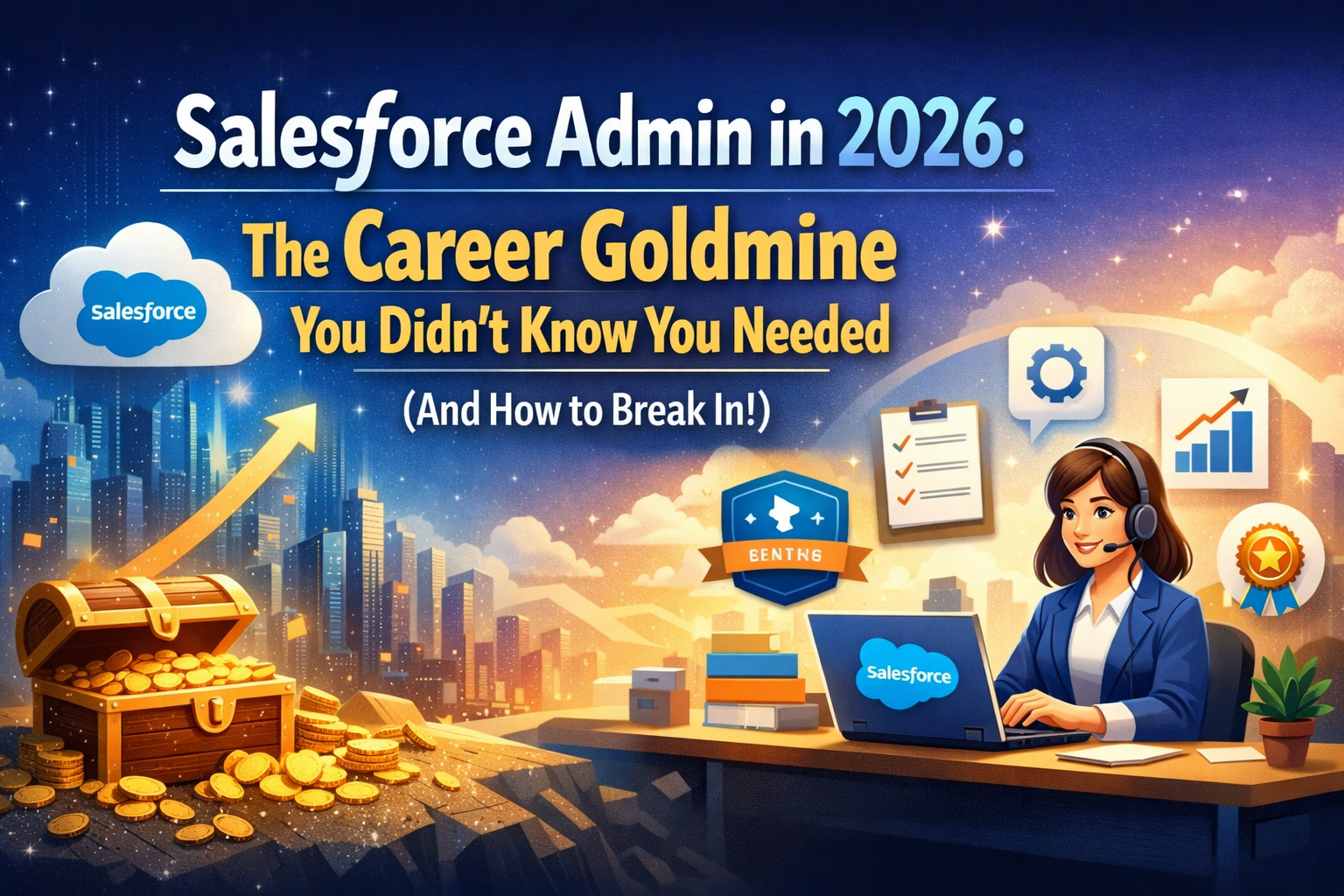
Salesforce Admin in 2026: The Career Goldmine You Didn’t Know You Needed (And How to Break In!)
The Salesforce Boom: Why Admins Are in Crazy Demand "Did you know? Salesforce is the 1 CRM platform worldwide, used by 150,000+ companies—including giants like Amazon, Coca-Cola, and Spotify (Salesforce, 2025). And here’s the kicker: Every single one

Python Power: Why 2026 Belongs to Coders Who Think in Python
If the past decade was about learning to code, the next one is about coding smarter. And in 2026, the smartest move for any IT enthusiast is learning Python — the language that powers AI models, automates the web, and drives data decisions across ind

The Tableau Revolution of 2025
"In a world drowning in data, companies aren’t just looking for analysts—they’re hunting for storytellers who can turn numbers into decisions. Enter Tableau, the #1 data visualization tool used by 86% of Fortune 500 companies (Tableau, 2024). Whether
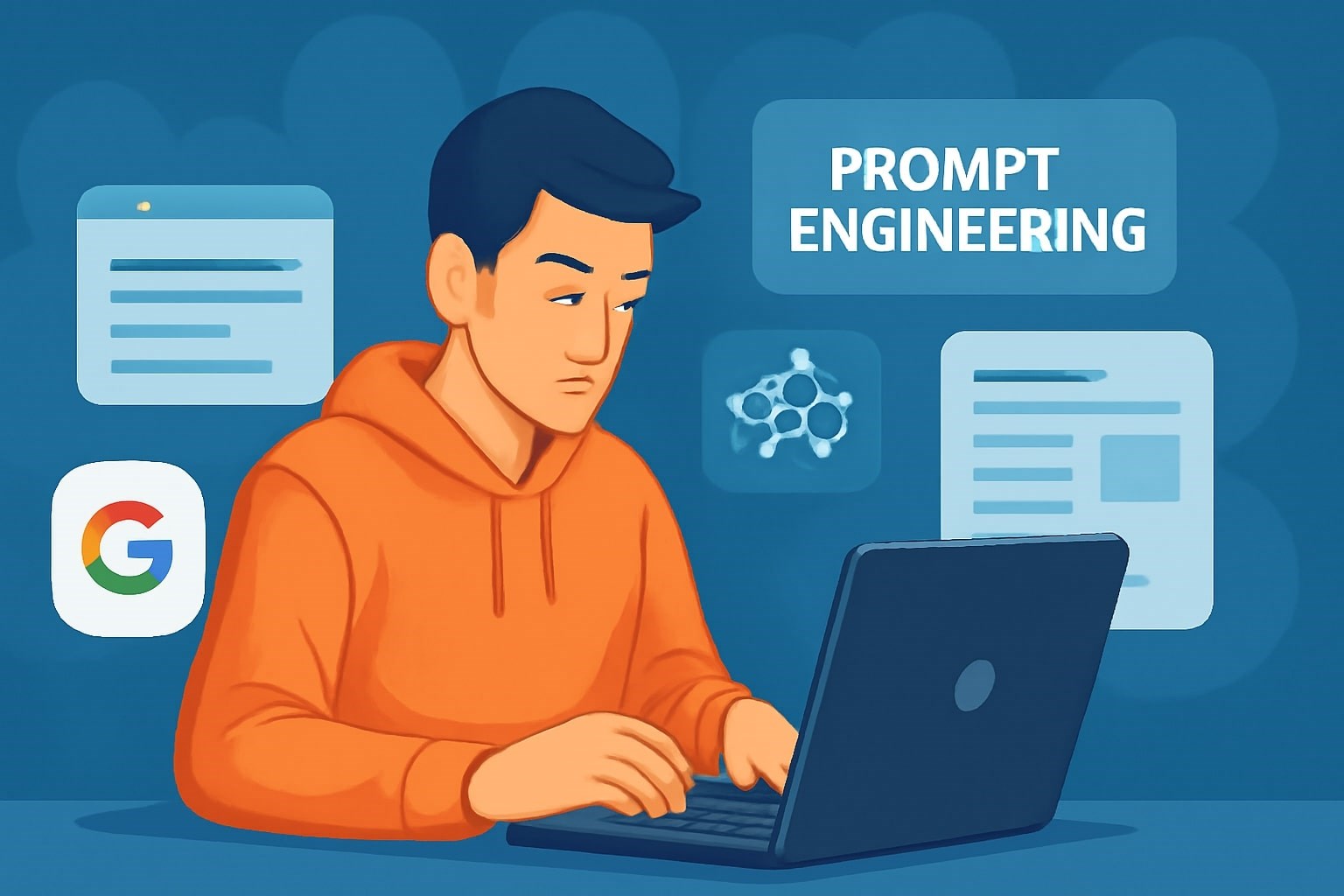
From Student to AI Pro: What Does Prompt Engineering Entail and How Do You Start?
Explore the growing field of prompt engineering, a vital skill for AI enthusiasts. Learn how to craft optimized prompts for tools like ChatGPT and Gemini, and discover the career opportunities and skills needed to succeed in this fast-evolving indust
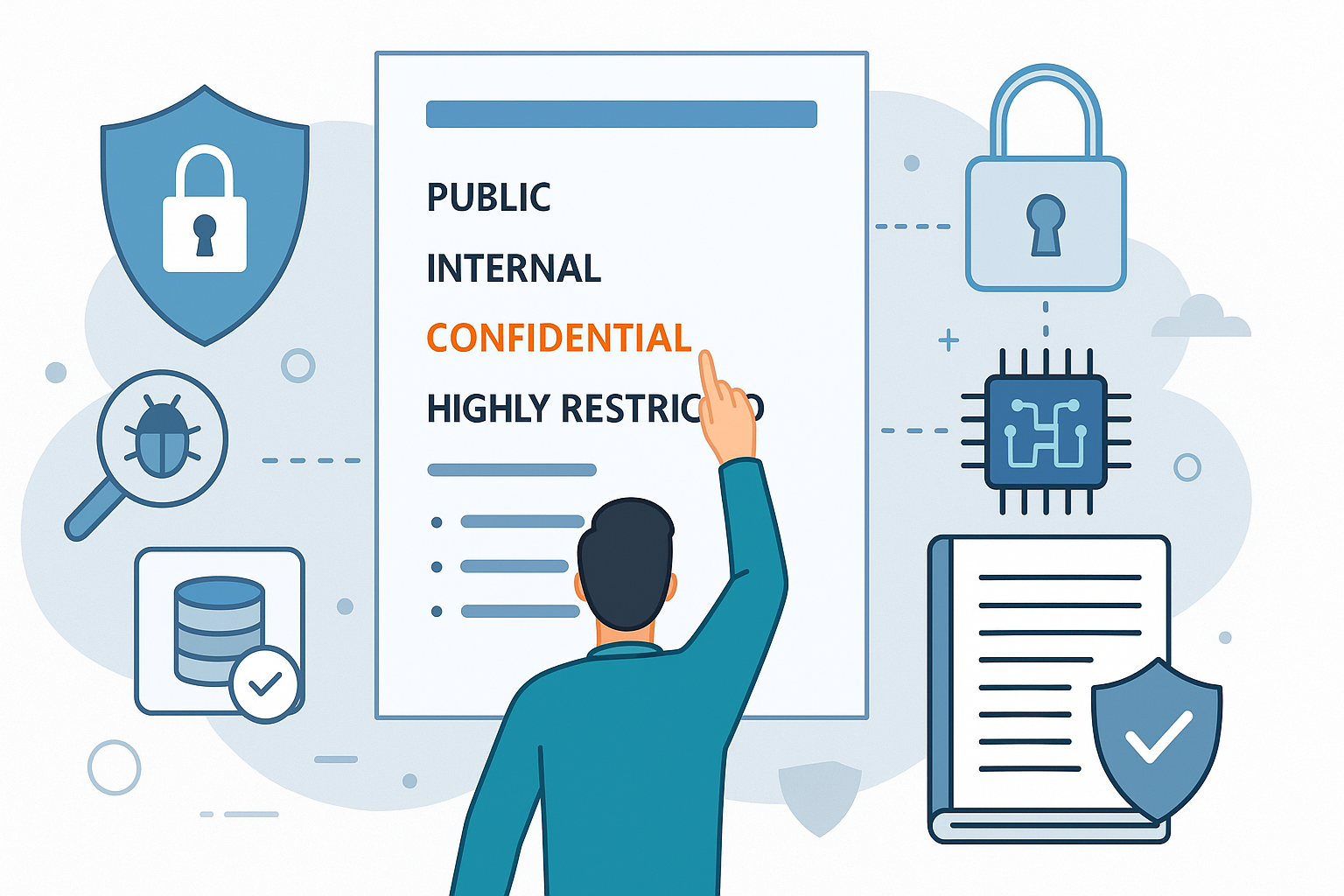
How Security Classification Guides Strengthen Data Protection in Modern Cybersecurity
A Security Classification Guide (SCG) defines data protection standards, ensuring sensitive information is handled securely across all levels. By outlining confidentiality, access controls, and declassification procedures, SCGs strengthen cybersecuri

Artificial Intelligence – A Growing Field of Study for Modern Learners
Artificial Intelligence is becoming a top study choice due to high job demand and future scope. This blog explains key subjects, career opportunities, and a simple AI study roadmap to help beginners start learning and build a strong career in the AI
Java in 2026: Why This ‘Old’ Language Is Still Your Golden Ticket to a Tech Career (And Where to Learn It!
Think Java is old news? Think again! 90% of Fortune 500 companies (yes, including Google, Amazon, and Netflix) run on Java (Oracle, 2025). From Android apps to banking systems, Java is the backbone of tech—and Sulekha IT Services is your fast track t