
What do you mean by Valuable real-world experience in United States?
Gaining real-world experience in the United States can be incredibly valuable for your career. It is important to obtain practical experience while studying or working in the United States. Pursuing career opportunities in the United States can significantly enhance your professional journey. You have to focus on hands-on experience. Internships and co-op programs provide practical, on the job training. They allow you to apply classroom knowledge to real-world scenarios. All you need to do is, to connect with professionals in your field, which can lead to mentorships and job offers. You should also focus on building your resume. Add relevant work experience to your resume, making you more competitive in the job market.
Is there anything specific you should focus on towards the topic?
You should also look for various research opportunities which helps you to have an incredibly valuable experience. Engage in research projects at universities or research institutions, often funded by government agencies or private companies. You have to start working with leading experts and contribute to innovative solutions in your field. Build Opportunities to co-author research papers, enhancing your academic and professional profile.
What about the industry connections you should look for?
Tech Hubs and Networking Events should be your two major focus areas. Proximity to major tech hubs like Silicon Valley offers exposure to leading tech companies and start-ups. You should attend industry conferences, meetings, seminars, and workshops to stay updated on the latest trends and connect with potential employers.
What do you do to enhance your career opportunities?
Remember to focus on career services and job fairs. Utilize your university’s career services for resume reviews, mock interviews, and job search assistance. Attend Job Fairs to meet recruiters from various companies and learn about job openings.
There are OPT (Optional Practical Training) and CPT (Curricular Practical Training) which helps you to enhance your career opportunities. In OPT, you will gain upto 12 months (or 36 months for STEM fields) of work experience in your field of study. In CPT, get engaged with paid or unpaid internships as part of your academic curriculum.
What about the employment opportunities in the United States?
Opportunity abound in technology sectors, particularly in software development, data science, cybersecurity, and artificial intelligence. Careers in healthcare, biotechnology, and pharmaceuticals are growing, offering roles in research, clinical practice, and administration. Financial Services and fintech companies are constantly seeking skilled professionals in areas like investment banking, risk management and financial analysis. Engineering fields such as civil, mechanical, electrical and aerospace engineering offer diverse career paths with significant demand.
You should also explore the opportunities through Innovation Hubs, Incubators and Accelerators. Leverage the entrepreneurial ecosystem in the U.S. to start your own business or join a start-up. Access resources, mentorship, and funding through startup incubators and accelerators.
Work in various roles on campus, such as library assistants, research assistants, or administrative support, which can provide relevant experience and income. Depending on your visa status, you might be able to take on part time roles related to your field of study.
Volunteer with non-profit organizations to gain experience, develop skills and make professional connections. Engage in community service projects to build your resume and demonstrate your commitment to social responsibility.
Is there anything to understand about long term career growth?
H1-B Visa, helps you transition from OPT to an H1-B visa for long term employment in the U.S. Permanent Residency, helps you explore pathways to employment-based permanent residency (green card) through employer sponsorship or self-petition.
By actively seeking these opportunities and leveraging the resources available, you can significantly enhance your career prospects and gain valuable experience in the U.S.
Choose a training provider to learn IT courses
Java training | J2EE training | J2EE Jboss training | Apache JMeter trainingTake the next step towards your professional goals in Information Technology
Don't hesitate to talk with our course advisor right now
Receive a call
Contact NowMake a call
+1-732-338-7323Related blogs on General to learn more

Steps to be taken when Optional Practical Training (OPT) comes to an end
OPT means Optional Practical Training especially for those students who are enrolled or about to complete their degree in the United States of America and can work either during their vacation or leave term or even after completion of their course an

Optional Practical Training (OPT) is employment provided by Sponsors
OPT means Optional Practical Training especially for those students who are enrolled or about to complete their degree in the United States of America and can work either during their vacation or leave term or even after completion of their course an

Optional Practical Training (OPT) for students to experience their learning practically
What do you mean by OPT?Optional Practical Training (OPT) can indeed be a critical step towards building your professional career in the United States.

Optional Practical Training (OPT), the next step towards your profession
What do you mean by OPT?Optional Practical Training (OPT) can indeed be a critical step towards building your professional career in the United States.

90 Day limitation on unemployment during OPT
What do you mean by OPT?OPT means Optional Practical Training especially for those students who are enrolled or about to complete their degree in the United States of America and can work either during their vacation or leave term or even after compl

Mandatory Online Tutorial before applying for OPT
What are the mandatory online tutorial before applying for OPT?Many universities require students to complete a mandatory online tutorial before applying for OPT. This tutorial typically covers important information about the OPT application process,

Opportunity for F-1 Students to gain valuable work
What do you mean by F-1 students?F-1 students are international students who come to the United States to pursue academic studies or language training programs at accredited U.S. colleges, universities, or other educational institutions.

Optional Practical Training (OPT) - Texas
Explore OPT in Texas, covering application timelines, work requirements, and key details on STEM extensions and travel considerations for F-1 students.
Optional Practical Training (OPT) - New York
Learn about Optional Practical Training (OPT) in New York, including eligibility, application process, duration, and key reporting requirements for F-1 students.

Optional Practical Training (OPT) – New Jersey
Learn about OPT in New Jersey, including eligibility, application process, and key rules for F-1 visa students looking to gain practical work experience in the U.S.
Latest blogs on technology to explore
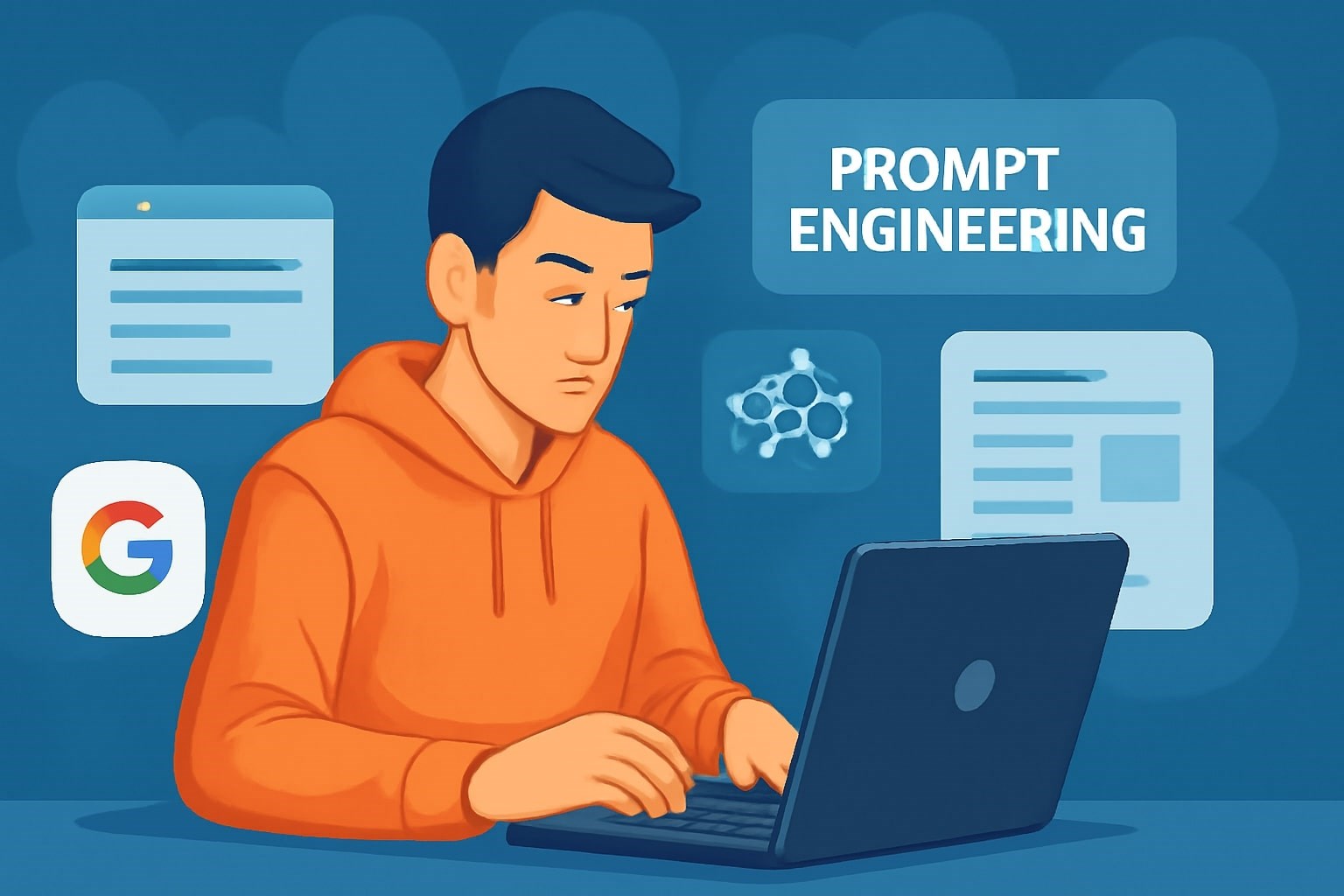
From Student to AI Pro: What Does Prompt Engineering Entail and How Do You Start?
Explore the growing field of prompt engineering, a vital skill for AI enthusiasts. Learn how to craft optimized prompts for tools like ChatGPT and Gemini, and discover the career opportunities and skills needed to succeed in this fast-evolving indust
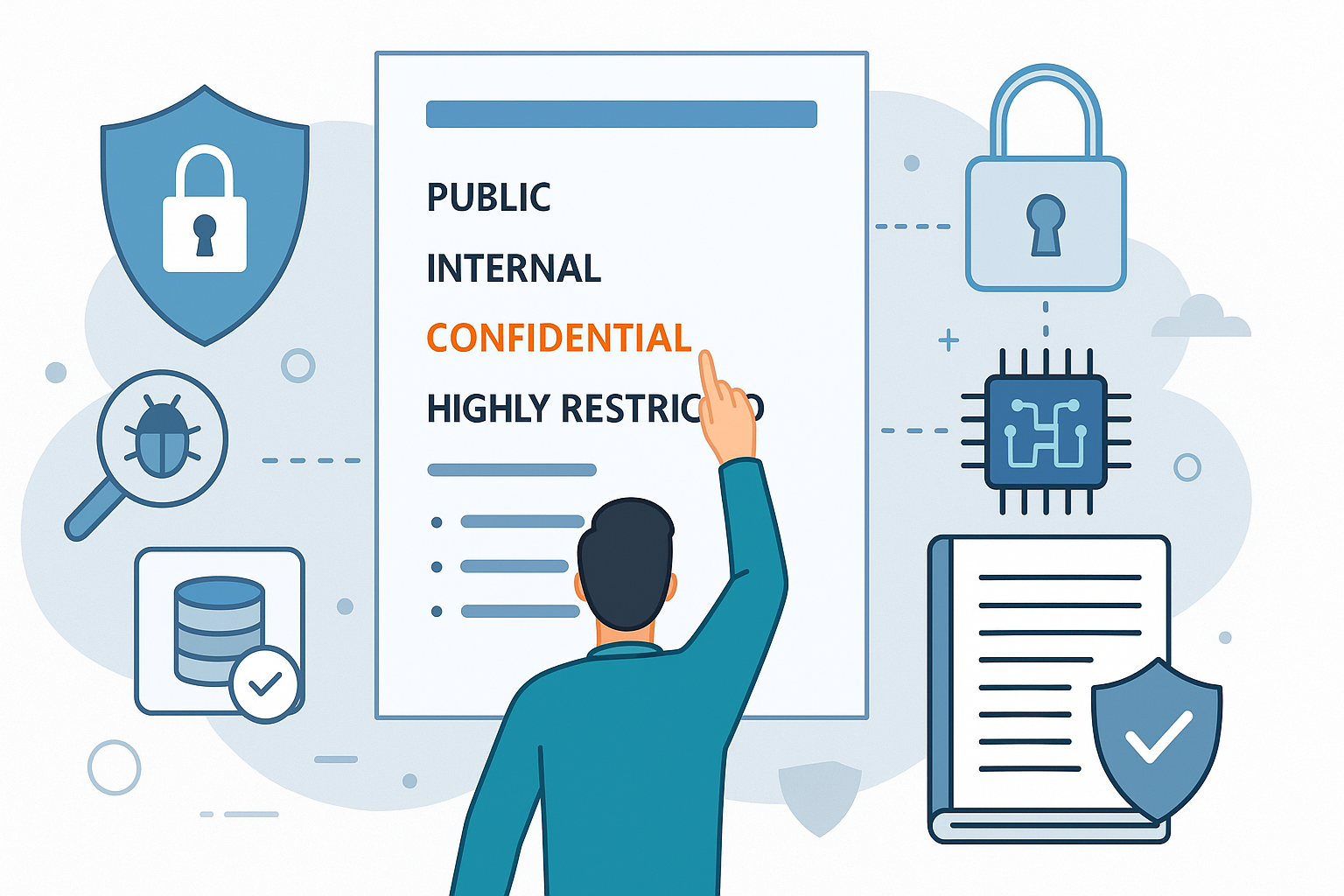
How Security Classification Guides Strengthen Data Protection in Modern Cybersecurity
A Security Classification Guide (SCG) defines data protection standards, ensuring sensitive information is handled securely across all levels. By outlining confidentiality, access controls, and declassification procedures, SCGs strengthen cybersecuri

Artificial Intelligence – A Growing Field of Study for Modern Learners
Artificial Intelligence is becoming a top study choice due to high job demand and future scope. This blog explains key subjects, career opportunities, and a simple AI study roadmap to help beginners start learning and build a strong career in the AI

Java in 2026: Why This ‘Old’ Language Is Still Your Golden Ticket to a Tech Career (And Where to Learn It!
Think Java is old news? Think again! 90% of Fortune 500 companies (yes, including Google, Amazon, and Netflix) run on Java (Oracle, 2025). From Android apps to banking systems, Java is the backbone of tech—and Sulekha IT Services is your fast track t

From Student to AI Pro: What Does Prompt Engineering Entail and How Do You Start?
Learn what prompt engineering is, why it matters, and how students and professionals can start mastering AI tools like ChatGPT, Gemini, and Copilot.

Cyber Security in 2025: The Golden Ticket to a Future-Proof Career
Cyber security jobs are growing 35% faster than any other tech field (U.S. Bureau of Labor Statistics, 2024)—and the average salary is $100,000+ per year! In a world where data breaches cost businesses $4.45 million on average (IBM, 2024), cyber secu

SAP SD in 2025: Your Ticket to a High-Flying IT Career
In the fast-paced world of IT and enterprise software, SAP SD (Sales and Distribution) is the secret sauce that keeps businesses running smoothly. Whether it’s managing customer orders, pricing, shipping, or billing, SAP SD is the backbone of sales o

SAP FICO in 2025: Salary, Jobs & How to Get Certified
AP FICO professionals earn $90,000–$130,000/year in the USA and Canada—and demand is skyrocketing! If you’re eyeing a future-proof IT career, SAP FICO (Financial Accounting & Controlling) is your golden ticket. But where do you start? Sulekha IT Serv

Train Like an AI Engineer: The Smartest Career Move You’ll Make This Year!
Why AI Engineering Is the Hottest Skillset Right Now From self-driving cars to chatbots that sound eerily human, Artificial Intelligence is no longer science fiction — it’s the backbone of modern tech. And guess what? Companies across the USA and Can
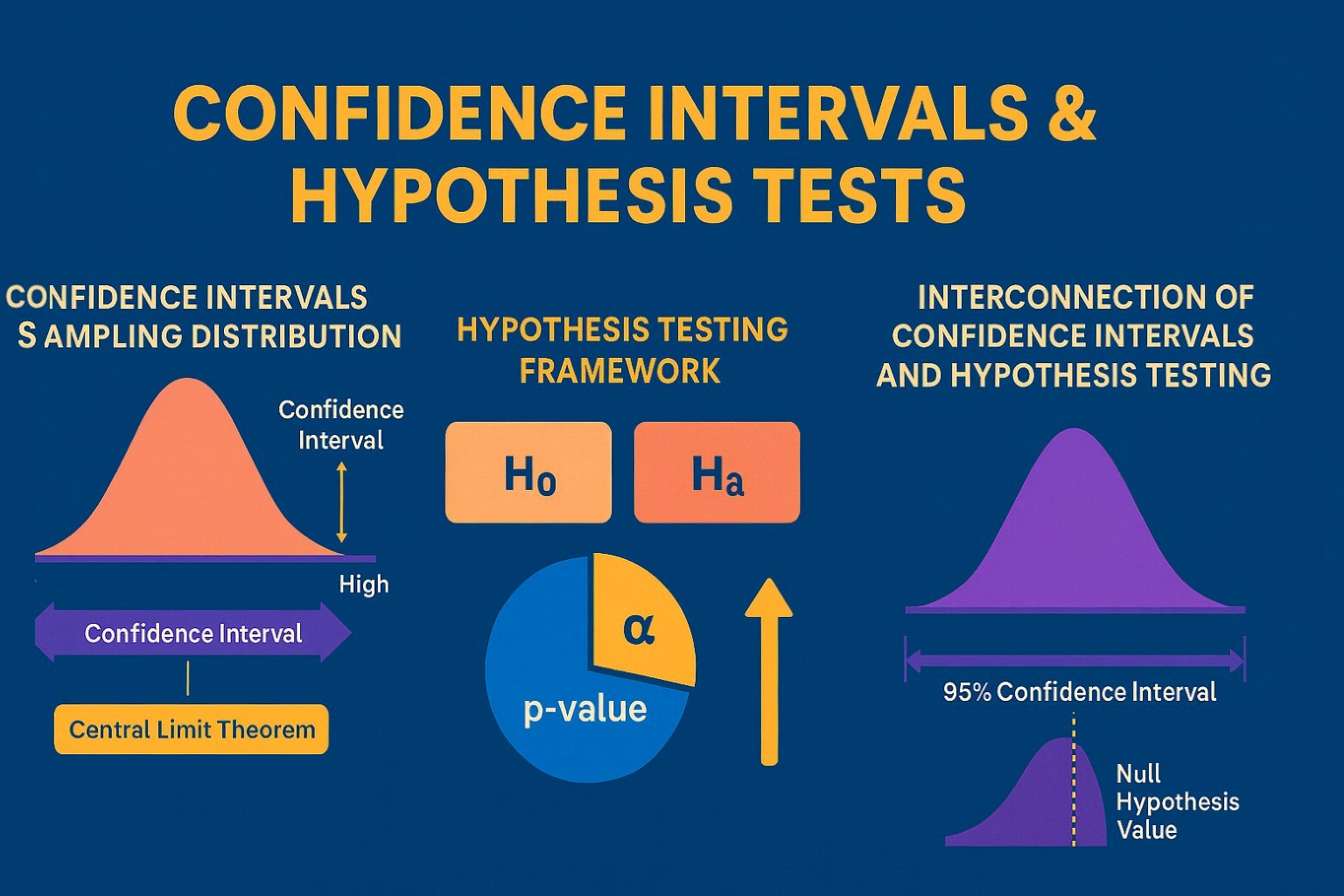
Confidence Intervals & Hypothesis Tests: The Data Science Path to Generalization
Learn how confidence intervals and hypothesis tests turn sample data into reliable population insights in data science. Understand CLT, p-values, and significance to generalize results, quantify uncertainty, and make evidence-based decisions.