Improve the performance of SAP ABAP HANA with the help of MS SQL Server 2012

Being a SAP HANA ABAP developer involves critical skills and responsibilities, demands the professional to develop optimized applications. And if several advantages could be retained just by a migration, it is worth the effort. The migration is from SQL Server 2005 to SQL Server 2012. For new installations on SQL Server 2008 and above, compression of the database is the default and the results are quite impressive.
Saving Disk Space
The highest compression rates we"ve seen have been on the BW landscape, but broadly similar results have happened with ERP and PI as well. The general systems now require 50-80% less space than they did before the compression.
The benefits of the reduction are significant, not only in the potential savings in expensive database disk. Storage for additional pre-production or sandbox landscapes is now feasible, and refreshing QA more frequently is an easier proposition when you don"t need to move terabytes of data files.
Improvised Performance
About any database compression were that there would surely be an overhead for compression resulting in a performance decrease. The interesting thing is that as CPUs become more powerful, database compression can actually improve performance by reducing the amount of disk I/O.
As an aside, SAP HANA also uses compression for this very reason. While the headline performance improvement in HANA is from storing data in-memory and removing the disk I/O bottleneck, that moves the bottleneck to memory I/O. SAP realized they could use extra CPU power to compress the data flowing through the remaining bottleneck.
If you have a SAP instance installed on your database host, you can see the percentage of time the CPU spends idle in transaction ST06, under "Detailed Analysis Menu". If you see idle CPU time of more than 40% over a typical 24 hour period then you can potentially use the spare CPU to get a performance gain from SQL compression.
Row and Page Compression
Row compression is the first step as it uses a variable length to store rows of data, meaning you don"t waste space storing shorter rows without any extra CPU power required.
Page compression adds further compression on top of row compression, and uses extra CPU power to compress the pages of data. Page compression has been the default for new SAP installations on SQL Server 2008 upwards since May 2011.
Adopting new Hardware
As page compression is the default for new installs, you can migrate your SAP system with the latest tools and it will import with page compression already enabled with no additional work required.
Consider the age of your existing hardware, operating system and whether you want to make any other changes to your configuration and sizing of application servers and database host. Especially bear in mind you can also migrate to a newer SQL Server version if you need to, with no extra effort.
Find a course provider to learn SAP ABAP HANA
Java training | J2EE training | J2EE Jboss training | Apache JMeter trainingTake the next step towards your professional goals in SAP ABAP HANA
Don't hesitate to talk with our course advisor right now
Receive a call
Contact NowMake a call
+1-732-338-7323Enroll for the next batch
SAP ABAP on HANA Certification
- Dec 15 2025
- Online
SAP ABAP on HANA Certification
- Dec 16 2025
- Online
SAP ABAP on HANA Certification
- Dec 17 2025
- Online
SAP ABAP on HANA Certification
- Dec 18 2025
- Online
SAP ABAP on HANA Certification
- Dec 19 2025
- Online
Related blogs on SAP ABAP HANA to learn more

How to ensure quality of a SAP ABAP HANA code?
The SAP HANA runs billions of ABAP code created by several SAP HANA developers across the computer systems of the customers around the world.

Why SAP ABAP HANA Is Considered Best For Next-Generation Apps & Analytics?
An in-memory platform, SAP HANA appears to run analytics application smarter, data infrastructures simpler and business processes faster. It is the foundation for all our data requirements, eliminating the burden of having to maintain separated legac

Understanding on SAP ABAP CDS and HANA CDS
Core Data Services, known for “one concept, two flavors” by the SAP community around the world, is an incredible infrastructure to define and consume various rich data models available in SAP HANA. At the same time, ABAP CDS also trending for its con
Accelerated Reports with SAP HANA ABAP Custom Code!
It is a globally acknowledged fact that the SAP HANA started revolutionizing the business world with its incredibly fast enterprise management solutions. SAP ABAP powered by HANA is yet another powerful platform for programmers to create complex and

When SAP HANA Unites ABAP– The Best of Both Worlds
ABAP is the foundation for numerous SAP applications, having a wide range of functionality and features to create powerful business solutions. Likewise, SAP HANA also provides an opportunity to introduce advanced, sophisticated technologies. Using su
Latest blogs on technology to explore

From Student to AI Pro: What Does Prompt Engineering Entail and How Do You Start?
Explore the growing field of prompt engineering, a vital skill for AI enthusiasts. Learn how to craft optimized prompts for tools like ChatGPT and Gemini, and discover the career opportunities and skills needed to succeed in this fast-evolving indust
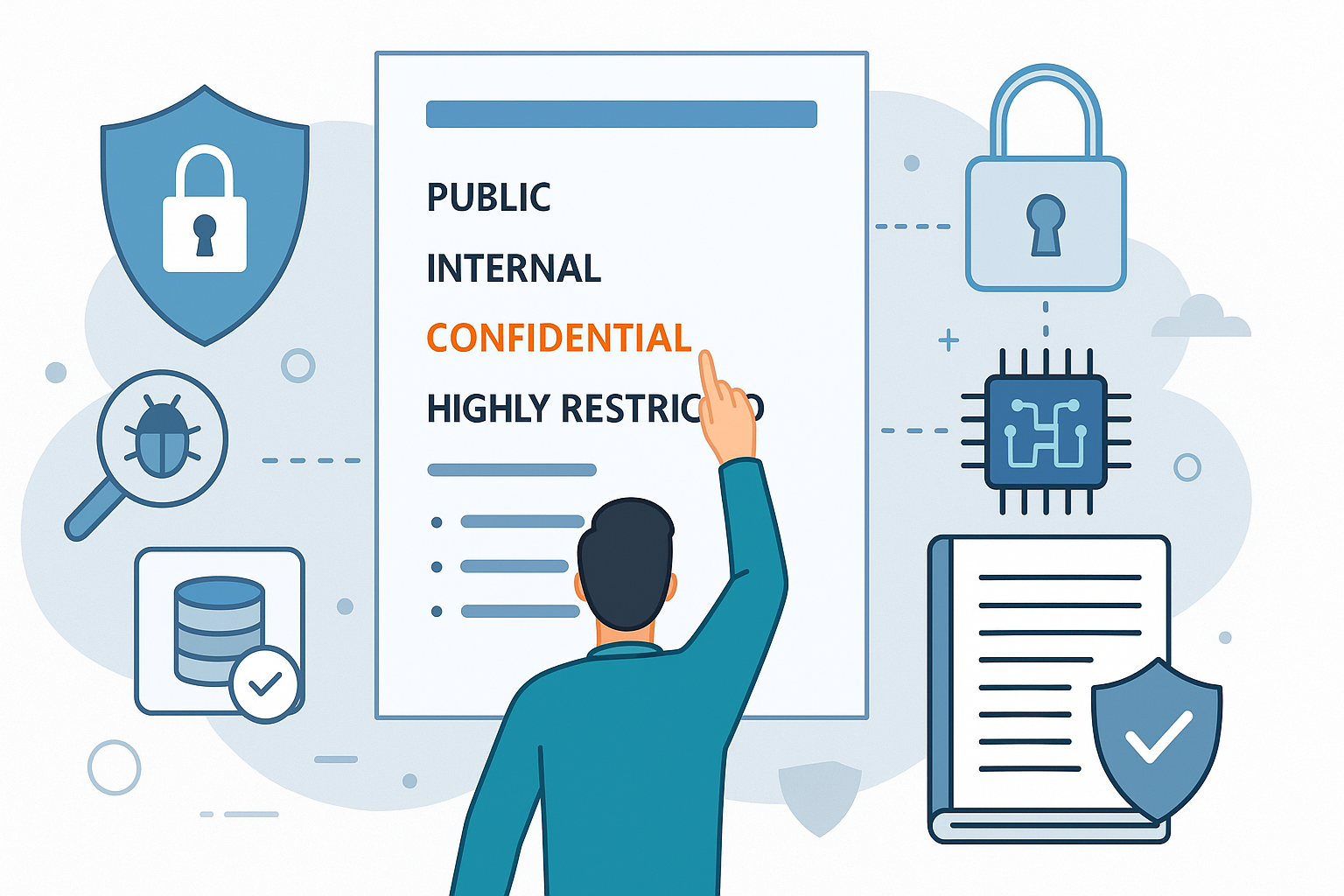
How Security Classification Guides Strengthen Data Protection in Modern Cybersecurity
A Security Classification Guide (SCG) defines data protection standards, ensuring sensitive information is handled securely across all levels. By outlining confidentiality, access controls, and declassification procedures, SCGs strengthen cybersecuri

Artificial Intelligence – A Growing Field of Study for Modern Learners
Artificial Intelligence is becoming a top study choice due to high job demand and future scope. This blog explains key subjects, career opportunities, and a simple AI study roadmap to help beginners start learning and build a strong career in the AI

Java in 2026: Why This ‘Old’ Language Is Still Your Golden Ticket to a Tech Career (And Where to Learn It!
Think Java is old news? Think again! 90% of Fortune 500 companies (yes, including Google, Amazon, and Netflix) run on Java (Oracle, 2025). From Android apps to banking systems, Java is the backbone of tech—and Sulekha IT Services is your fast track t

From Student to AI Pro: What Does Prompt Engineering Entail and How Do You Start?
Learn what prompt engineering is, why it matters, and how students and professionals can start mastering AI tools like ChatGPT, Gemini, and Copilot.

Cyber Security in 2025: The Golden Ticket to a Future-Proof Career
Cyber security jobs are growing 35% faster than any other tech field (U.S. Bureau of Labor Statistics, 2024)—and the average salary is $100,000+ per year! In a world where data breaches cost businesses $4.45 million on average (IBM, 2024), cyber secu

SAP SD in 2025: Your Ticket to a High-Flying IT Career
In the fast-paced world of IT and enterprise software, SAP SD (Sales and Distribution) is the secret sauce that keeps businesses running smoothly. Whether it’s managing customer orders, pricing, shipping, or billing, SAP SD is the backbone of sales o

SAP FICO in 2025: Salary, Jobs & How to Get Certified
AP FICO professionals earn $90,000–$130,000/year in the USA and Canada—and demand is skyrocketing! If you’re eyeing a future-proof IT career, SAP FICO (Financial Accounting & Controlling) is your golden ticket. But where do you start? Sulekha IT Serv

Train Like an AI Engineer: The Smartest Career Move You’ll Make This Year!
Why AI Engineering Is the Hottest Skillset Right Now From self-driving cars to chatbots that sound eerily human, Artificial Intelligence is no longer science fiction — it’s the backbone of modern tech. And guess what? Companies across the USA and Can
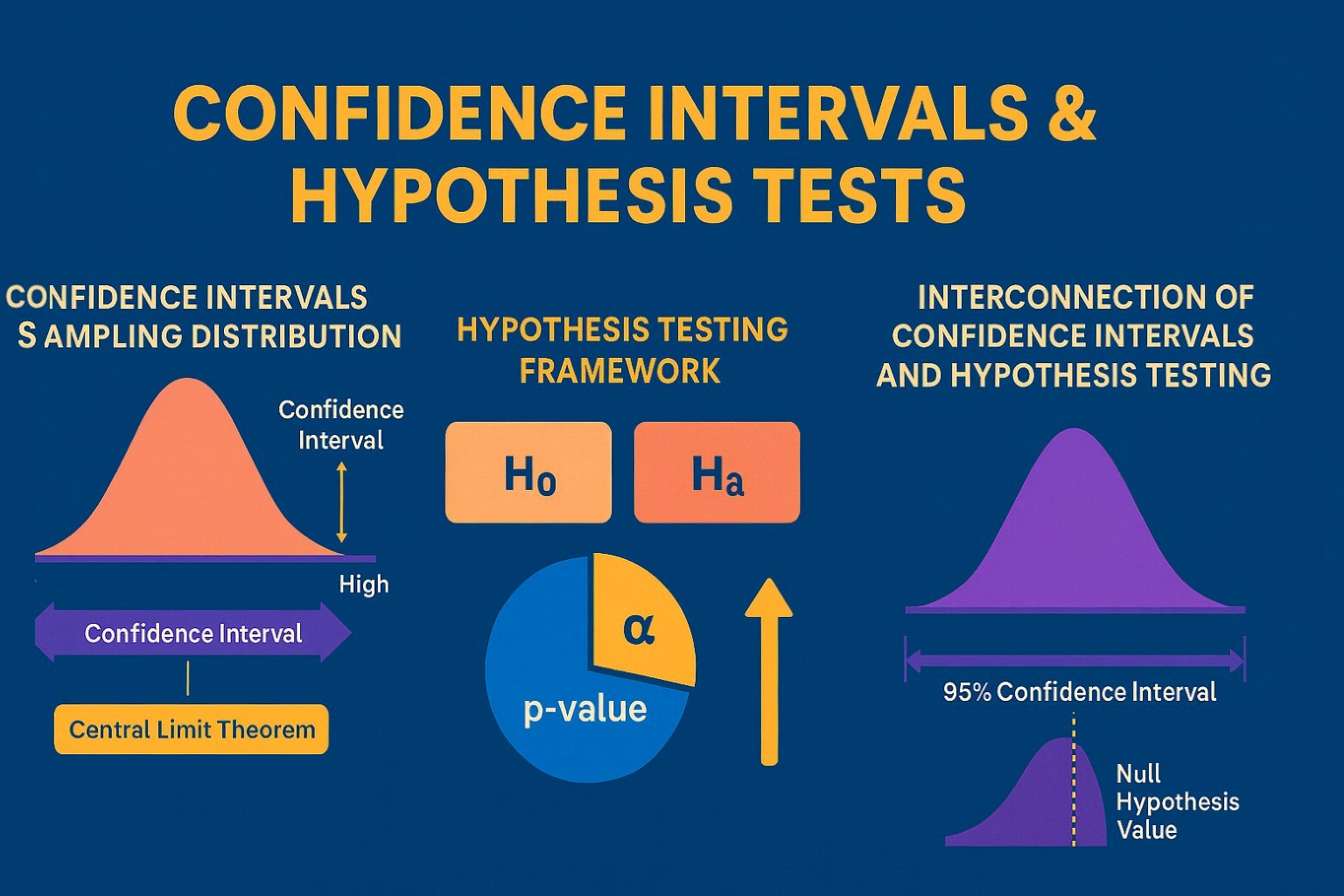
Confidence Intervals & Hypothesis Tests: The Data Science Path to Generalization
Learn how confidence intervals and hypothesis tests turn sample data into reliable population insights in data science. Understand CLT, p-values, and significance to generalize results, quantify uncertainty, and make evidence-based decisions.