SAP WM begins as a sub-module of SAP Material Management Module that takes care of the Warehouse Management functionality. Well, it is possible to manage warehouses proficiently at bin location level with the help of the SAP WM module. Currently, SAP WM has been re-classified under SAP Logistics Execution module.
SAP WM module offers an efficient, flexible, and automated support that enables businesses to:
- Define & manage storage areas as well as storage bins a warehouse has
- Ensure that the stock posted in Inventory Management system appears to be the same as the warehouse stock
- Execute stock placements & removals with the help of varied put-away and picking strategies
- Integrate with product planning, materials management, quality management & sales and distribution
- Interface to the external non-SAP warehousing systems
- Manage complex warehouse structures
- Manage different types of storage like fixed bin storage, high rack storage or block storage
- Manage hazardous materials
- Manage inventory at storage bin level
- Monitor stock movements
- Process all the relevant postings & transactions like goods issues, goods receipts, and general stock transfers
- Process stock differences
- Use bar code scanners
SAP WM Module primarily aims at defining as well as managing the complex warehouse structures in a company
Following benefits can be gained by implementing SAP WM module:

Well, the SAP Warehouse Management module is a very effective tool that is available. It can manage the warehouse and keep the inventory at an optimum level. However, it is merely a business tool. You need an expert craftsman that can understand your business needs and fulfill them using this tool. He or she should be able to fully extract the potentials of this tool in order to deliver the best results.
What are the benefits of the Warehouse Management System?
Quicker inventory turns - A WMS is capable of reducing the lead times by restricting inventory movement and enhancing the accurateness of the inventory records, eventually supporting a JIT environment. Consequently, there is a decrease in the need for safety stock, thereby increasing inventory turnover as well as utilization of working capital.
Efficient use of the available warehouse space – Besides reducing the safety-stock needs, a WMS is capable of probably increasing the available space in the warehouse by efficiently locating items related to packing, receiving, assembly, and shipping points. Well, this increased efficiency can improve productivity as well as reduce inventory holding costs remarkably.
Reduction in inventory paperwork - A real-time WMS implementation can considerably bring down the paperwork associated with the warehouse operations traditionally as well as ascertain accurate and timely flow of both inventory and information. Getting reports, picking tickets, moving tickets, packing lists, and so on that are generally maintained as hard copies seem to be maintained electronically.
Enhanced cycle counting – It is possible for companies to use WMS so as to capture significant data to systematically scheduled personnel to facilitate cycle counts. These cycle counts not just improve accuracy of the inventory records meant for planning purposes but can get rid of or reduce the demand for complete and costly physical inventories as well.
Decreased dependency on warehouse personnel – Well, implementing an extensive WMS enables standardization of inventory movements, eventually picking methods & inventory locations. And, this standardization helps minimize trust on informal practices, thereby leading to reduced training costs & lowered error rates.
Improved customer service - By means of streamlining processes right from order to delivery, firms can more precisely determine availability of products and realistic delivery dates. In fact, a WMS can identify & release back-ordered inventory automatically. It can also reduce returns owing to increased shipment accuracy.
Enhanced labor productivity - A WMS aids in helping to optimize material flow generally incorporating a number of inventory picks into a single one or either by "cross docking". Well, cross docking appears to be a process which routes the incoming shipments to a location that is closest to the shipping dock (outbound), ultimately reducing warehouse handling.
Find a course provider to learn SAP WM
Java training | J2EE training | J2EE Jboss training | Apache JMeter trainingTake the next step towards your professional goals in SAP WM
Don't hesitate to talk with our course advisor right now
Receive a call
Contact NowMake a call
+1-732-338-7323Enroll for the next batch
Real Time Instructor Led Live Online Training on SAP WM
- Dec 15 2025
- Online
Real Time Instructor Led Live Online Training on SAP WM
- Dec 16 2025
- Online
Real Time Instructor Led Live Online Training on SAP WM
- Dec 17 2025
- Online
SAP WM Certification Course
- Dec 18 2025
- Online
SAP WM Certification Course
- Dec 19 2025
- Online
Latest blogs on technology to explore

From Student to AI Pro: What Does Prompt Engineering Entail and How Do You Start?
Explore the growing field of prompt engineering, a vital skill for AI enthusiasts. Learn how to craft optimized prompts for tools like ChatGPT and Gemini, and discover the career opportunities and skills needed to succeed in this fast-evolving indust
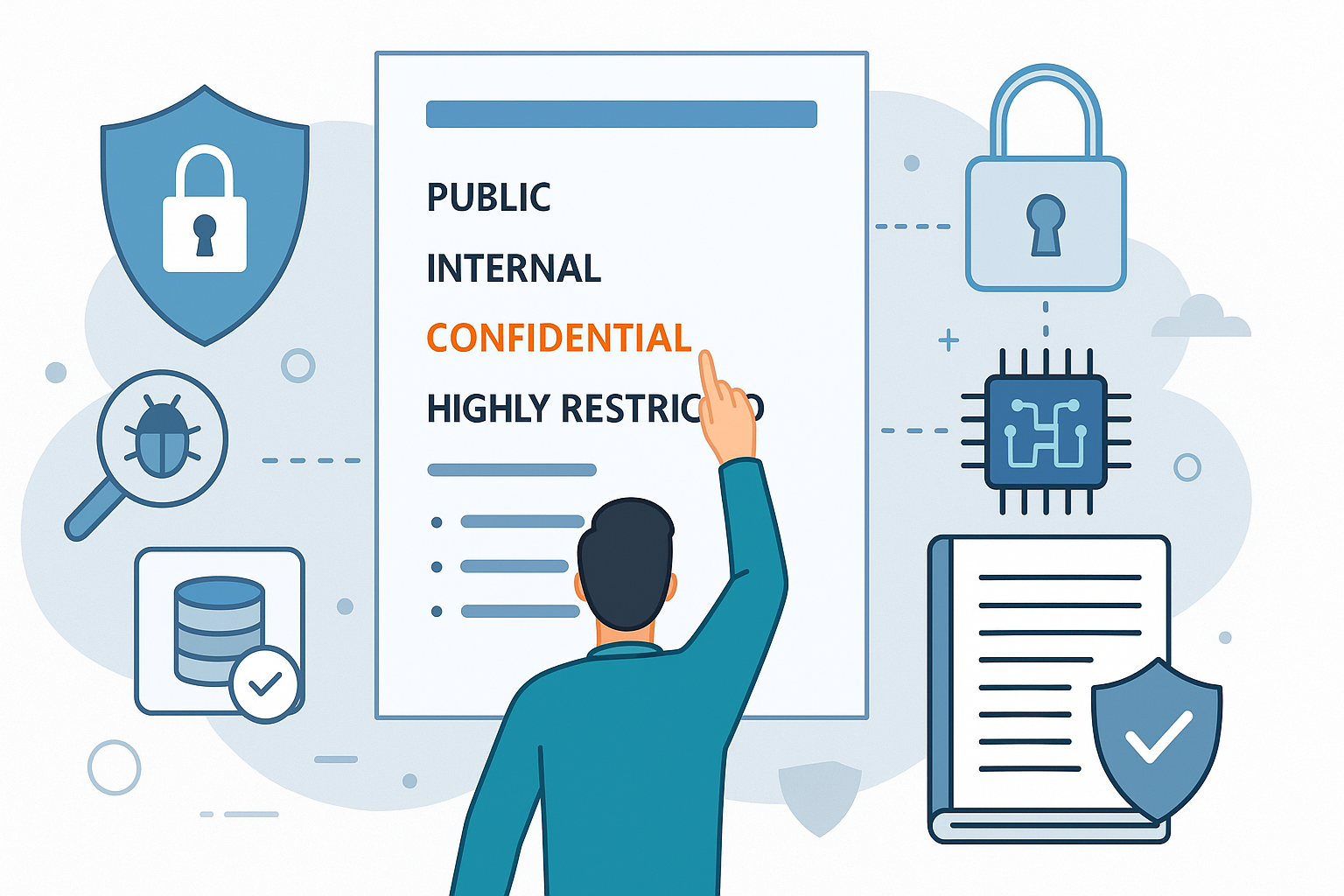
How Security Classification Guides Strengthen Data Protection in Modern Cybersecurity
A Security Classification Guide (SCG) defines data protection standards, ensuring sensitive information is handled securely across all levels. By outlining confidentiality, access controls, and declassification procedures, SCGs strengthen cybersecuri

Artificial Intelligence – A Growing Field of Study for Modern Learners
Artificial Intelligence is becoming a top study choice due to high job demand and future scope. This blog explains key subjects, career opportunities, and a simple AI study roadmap to help beginners start learning and build a strong career in the AI

Java in 2026: Why This ‘Old’ Language Is Still Your Golden Ticket to a Tech Career (And Where to Learn It!
Think Java is old news? Think again! 90% of Fortune 500 companies (yes, including Google, Amazon, and Netflix) run on Java (Oracle, 2025). From Android apps to banking systems, Java is the backbone of tech—and Sulekha IT Services is your fast track t

From Student to AI Pro: What Does Prompt Engineering Entail and How Do You Start?
Learn what prompt engineering is, why it matters, and how students and professionals can start mastering AI tools like ChatGPT, Gemini, and Copilot.

Cyber Security in 2025: The Golden Ticket to a Future-Proof Career
Cyber security jobs are growing 35% faster than any other tech field (U.S. Bureau of Labor Statistics, 2024)—and the average salary is $100,000+ per year! In a world where data breaches cost businesses $4.45 million on average (IBM, 2024), cyber secu

SAP SD in 2025: Your Ticket to a High-Flying IT Career
In the fast-paced world of IT and enterprise software, SAP SD (Sales and Distribution) is the secret sauce that keeps businesses running smoothly. Whether it’s managing customer orders, pricing, shipping, or billing, SAP SD is the backbone of sales o

SAP FICO in 2025: Salary, Jobs & How to Get Certified
AP FICO professionals earn $90,000–$130,000/year in the USA and Canada—and demand is skyrocketing! If you’re eyeing a future-proof IT career, SAP FICO (Financial Accounting & Controlling) is your golden ticket. But where do you start? Sulekha IT Serv

Train Like an AI Engineer: The Smartest Career Move You’ll Make This Year!
Why AI Engineering Is the Hottest Skillset Right Now From self-driving cars to chatbots that sound eerily human, Artificial Intelligence is no longer science fiction — it’s the backbone of modern tech. And guess what? Companies across the USA and Can
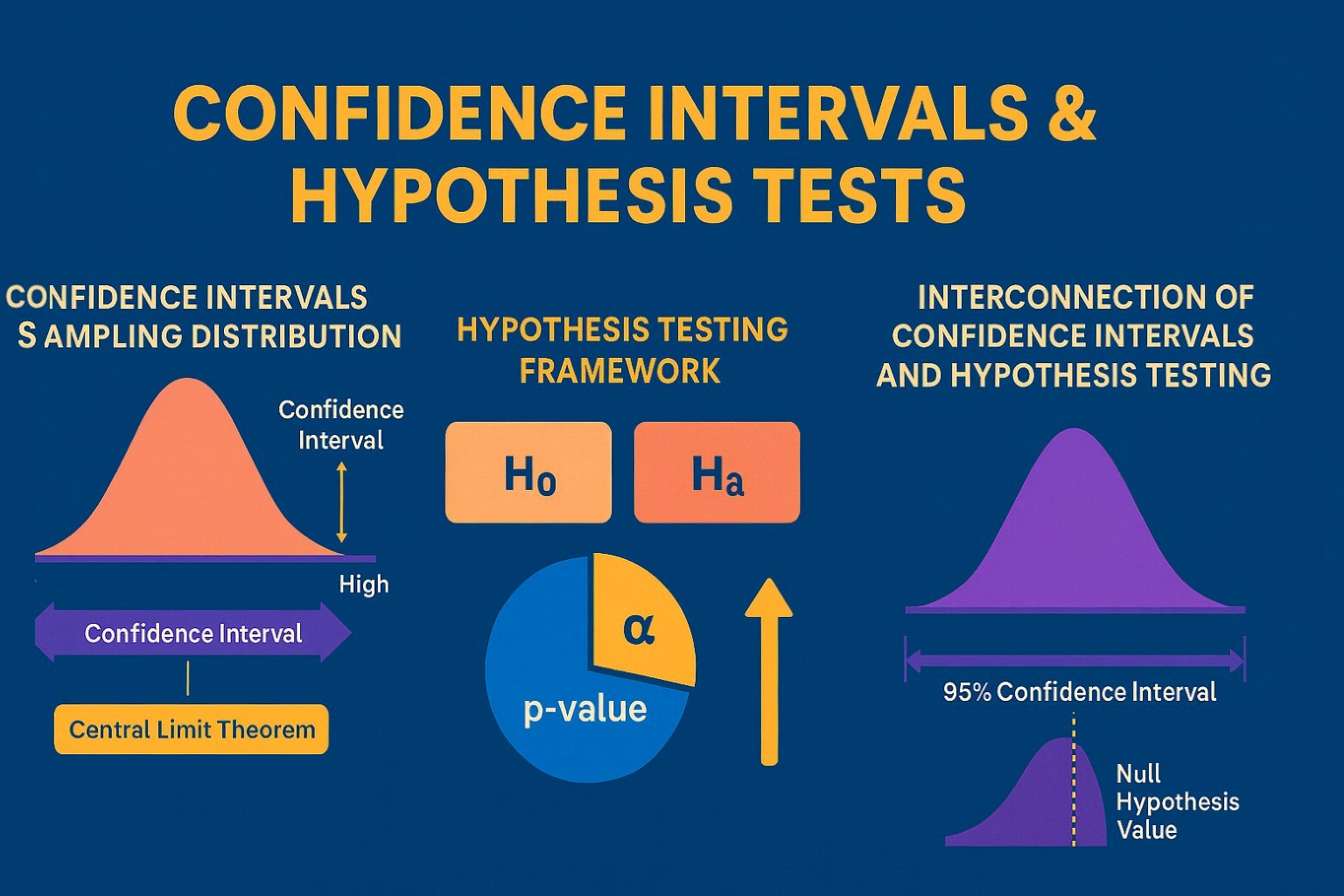
Confidence Intervals & Hypothesis Tests: The Data Science Path to Generalization
Learn how confidence intervals and hypothesis tests turn sample data into reliable population insights in data science. Understand CLT, p-values, and significance to generalize results, quantify uncertainty, and make evidence-based decisions.