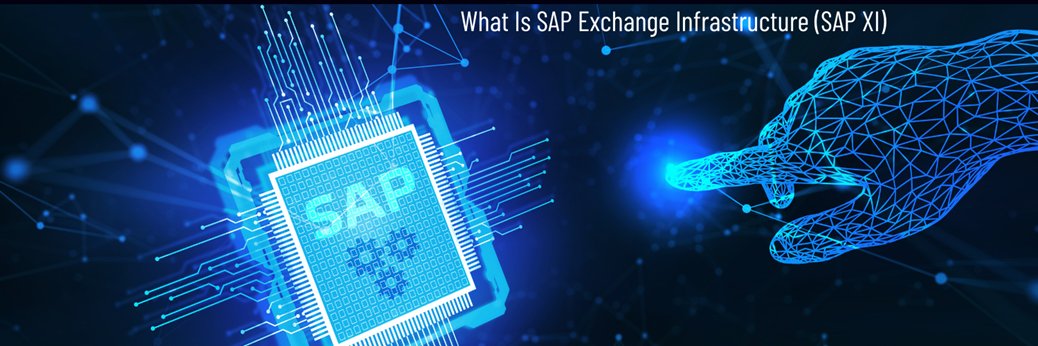
SAP is a leading enterprise resource planning software that helps businesses manage various operations, including finance, human resources, supply chain, sales, and customer relationship management. It provides integrated solutions that streamline business processes, improve efficiency, and enable data-driven decision-making. SAP is used by organizations of all sizes and industries globally and has a wide range of modules and functionalities to cater to diverse business needs.
Introduction to SAP Exchange Infrastructure
SAP Exchange Infrastructure (SAP XI), now known as SAP Process Integration (SAP PI), is a component of the SAP NetWeaver platform. It is an integration technology that enables seamless communication and data exchange between systems and applications within or between multiple organizations.
SAP XI/PI provides a centralized platform for integrating various systems, such as SAP and non-SAP systems, legacy systems, and third-party applications, by defining and managing interfaces, mappings, and routing rules. It allows for the efficient exchange of data, messages, and business processes, facilitating smooth integration and collaboration across the enterprise.
How Does SAP XI Work?
An integration platform called SAP XI (SAP Exchange Infrastructure), later known as SAP Process Integration (SAP PI) and then SAP Process Orchestration was created to make it easier for different software systems inside an organization to communicate and exchange data. Here's how SAP XI, or its successor SAP PI, typically works:
- System Connectivity: SAP XI is a middleware that connects disparate systems, including SAP and non-SAP systems. It uses adapters to communicate with applications, databases, and technologies.
- Message Routing: SAP XI provides a central hub where messages are received, processed, and routed to their intended destinations.
- Message Transformation: SAP XI allows for message transformation, mapping, and enrichment to ensure seamless data exchange.
- Monitoring and Error Handling: SAP XI provides monitoring and error-handling capabilities to track the flow of messages and manage exceptions.
- Security and Authentication: SAP XI ensures that data exchanged between systems is secure through encryption and authentication mechanisms.
- Adapters: SAP XI supports various adapters, including file-based, database, HTTP, and more, to connect to multiple systems and data sources.
- Integration with SAP Systems: SAP XI is well-integrated with SAP's suite of applications, making it a preferred choice for organizations that use SAP software for their business processes.
SAP XI (or SAP PI/Process Orchestration) streamlines and simplifies integrating diverse systems and applications, helping organizations achieve seamless data exchange and business process automation across their IT landscape.
Key Features of SAP XI
SAP XI has many features that make it a robust integration solution. Here are some key highlights:
- Process Integration: SAP XI is a technology that enables seamless integration and communication between different systems and applications within an organization.
- Application Integration: Refers to connecting and integrating different applications and systems within an organization, enabling them to communicate and share data seamlessly. It ensures that information flows smoothly between applications, improving efficiency and enabling better decision-making.
- Protocol Transformation: Refers to the conversion or mapping of data and messages between different communication protocols.
- Data Mapping: Refers to transforming and converting data from one format or structure to another, ensuring compatibility and seamless integration.
- Security and Monitoring: Implement measures to protect data and ensure the integrity and confidentiality of information exchanged between systems.
In conclusion, SAP Exchange Infrastructure (SAP XI) was a pivotal integration platform that revolutionized how organizations connected and coordinated their software systems. Its versatile features and capabilities laid the foundation for future integration solutions, including SAP Process Integration (SAP PI) and SAP Process Orchestration (SAP PO), which continue to play a crucial role in modern enterprises. While SAP XI may have evolved, its legacy of seamless data exchange and streamlined business processes endures, shaping how organizations harness integration's power in their digital transformations.
Find a course provider to learn SAP XI
Java training | J2EE training | J2EE Jboss training | Apache JMeter trainingTake the next step towards your professional goals in SAP XI
Don't hesitate to talk with our course advisor right now
Receive a call
Contact NowMake a call
+1-732-338-7323Enroll for the next batch
SAP XI Training Online
- Jun 22 2026
- Online
SAP XI Training Online
- Jun 23 2026
- Online
SAP XI Training Online
- Jun 24 2026
- Online
SAP XI Training Online
- Jun 25 2026
- Online
SAP XI Training Online
- Jun 26 2026
- Online
Latest blogs on technology to explore

Drug Safety & Pharmacovigilance: Your 2026 Career Passport to a Booming Healthcare Industry!
Why This Course Is the Hottest Ticket for Science Grads & Healthcare Pros (No Lab Coat Required!)" The Exploding Demand for Drug Safety Experts "Did you know? The global pharmacovigilance market is set to hit $12.5B by 2026 (Grand View Research, 202

Launch Your Tech Career: Why Mastering AWS Foundation is Your Golden Ticket in 2026
There’s one skill that can open all those doors — Amazon Web Services (AWS) Foundation
Data Science in 2026: The Hottest Skill of the Decade (And How Sulekha IT Services Helps You Master It!)
Data Science: The Career that’s everywhere—and Nowhere Near Slowing Down "From Netflix recommendations to self-driving cars, data science is the secret sauce behind the tech you use every day. And here’s the kicker: The U.S. alone will have 11.5 mill

Salesforce Admin in 2026: The Career Goldmine You Didn’t Know You Needed (And How to Break In!)
The Salesforce Boom: Why Admins Are in Crazy Demand "Did you know? Salesforce is the 1 CRM platform worldwide, used by 150,000+ companies—including giants like Amazon, Coca-Cola, and Spotify (Salesforce, 2025). And here’s the kicker: Every single one
Python Power: Why 2026 Belongs to Coders Who Think in Python
If the past decade was about learning to code, the next one is about coding smarter. And in 2026, the smartest move for any IT enthusiast is learning Python — the language that powers AI models, automates the web, and drives data decisions across ind

The Tableau Revolution of 2025
"In a world drowning in data, companies aren’t just looking for analysts—they’re hunting for storytellers who can turn numbers into decisions. Enter Tableau, the #1 data visualization tool used by 86% of Fortune 500 companies (Tableau, 2024). Whether
From Student to AI Pro: What Does Prompt Engineering Entail and How Do You Start?
Explore the growing field of prompt engineering, a vital skill for AI enthusiasts. Learn how to craft optimized prompts for tools like ChatGPT and Gemini, and discover the career opportunities and skills needed to succeed in this fast-evolving indust
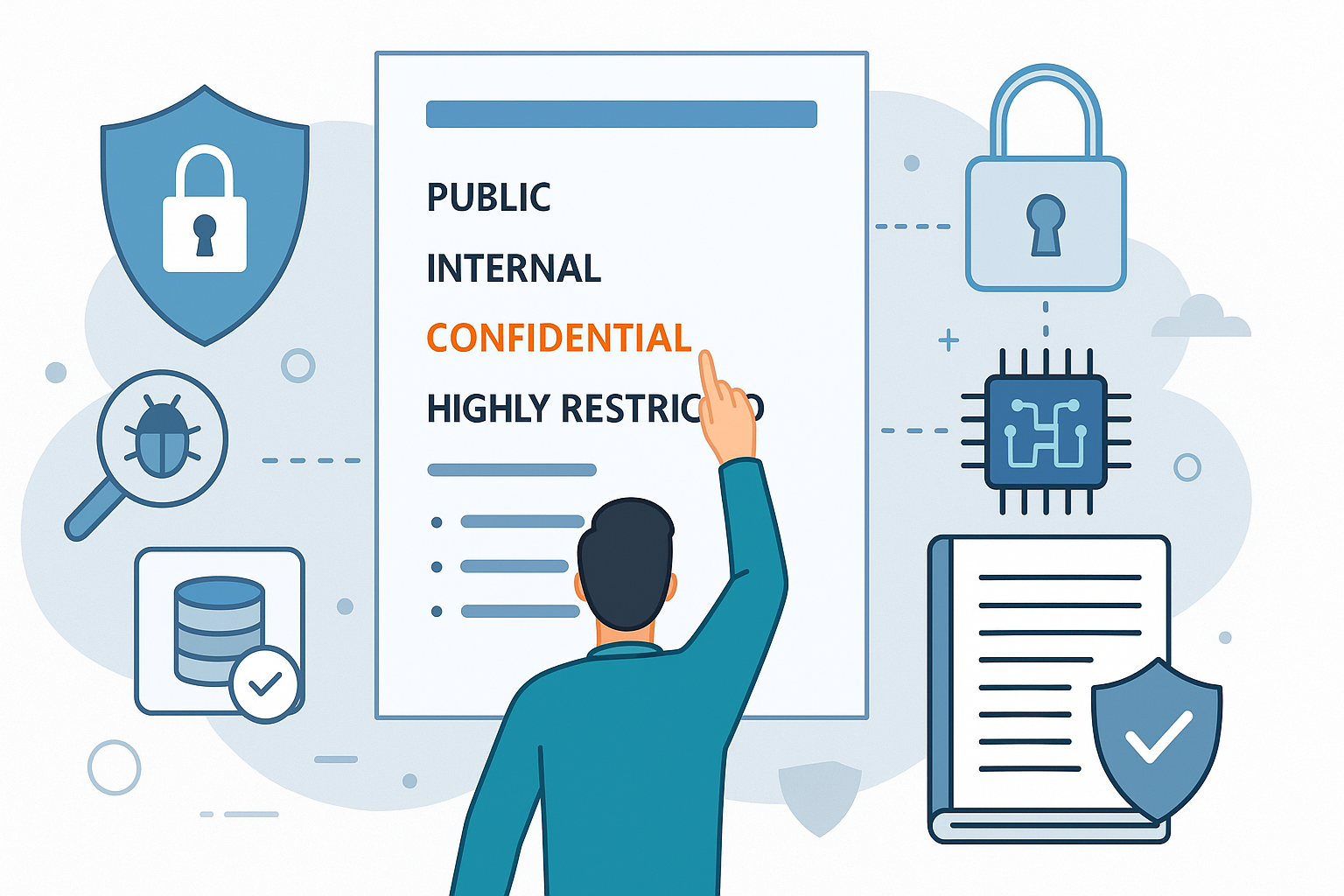
How Security Classification Guides Strengthen Data Protection in Modern Cybersecurity
A Security Classification Guide (SCG) defines data protection standards, ensuring sensitive information is handled securely across all levels. By outlining confidentiality, access controls, and declassification procedures, SCGs strengthen cybersecuri

Artificial Intelligence – A Growing Field of Study for Modern Learners
Artificial Intelligence is becoming a top study choice due to high job demand and future scope. This blog explains key subjects, career opportunities, and a simple AI study roadmap to help beginners start learning and build a strong career in the AI

Java in 2026: Why This ‘Old’ Language Is Still Your Golden Ticket to a Tech Career (And Where to Learn It!
Think Java is old news? Think again! 90% of Fortune 500 companies (yes, including Google, Amazon, and Netflix) run on Java (Oracle, 2025). From Android apps to banking systems, Java is the backbone of tech—and Sulekha IT Services is your fast track t