The Skills to Become Successful Business Analysis Profession

Introduction
Business analysis is a critical job in any organization, as it involves understanding the current business operations and looking for ways to improve them. To become a successful business analysis professional, there are certain skills that must be developed. In this essay, I will explore the various skills that are needed to be successful in this field.
The first skill that a business analyst must possess is effective communication. A business analyst must be able to effectively communicate with their team, clients and stakeholders. They must be able to clearly articulate their thoughts and ideas and be able to listen attentively. Communication is a critical skill for any professional, but it is especially important in the business analysis field.
The second skill that is necessary for success as a business analyst is analytical thinking. A business analyst must be able to think critically and analytically when confronted with data or information. They need to be able to break down complex problems into smaller pieces, and then solve those pieces using logical reasoning. This skill is essential for any professional, but especially in the business analysis field.
The third skill that is necessary for success as a business analyst is problem-solving skills. A business analyst must be able to find solutions to problems that they are confronted with. They need to be able to think logically and come up with creative solutions when needed. This skill is essential for any professional, but especially in the business analysis field.
The fourth skill that is necessary for success as a business analyst is computer skills. A business analyst must be able to use computers effectively in order to analyze data and information. They need to be able to use various software programs, and also have knowledge of how computers work. This skill is essential for any professional, but especially in the business analysis field.
Business analysis is a field that requires a unique set of skills in order to be successful. A business analyst must possess the ability to analyze data, think critically, solve problems, and communicate effectively with stakeholders. The following essay will discuss the key skills needed to become a successful business analyst.
Additionally, business analysts must be able to think critically. They must be able to problem solve and find solutions for complex issues. This includes being able to come up with creative solutions when faced with difficult challenges.
Finally, business analysts must be able to communicate effectively with stakeholders. They need to be able to clearly explain their findings and recommendations to those who will ultimately decide how the information will be used. Effective communication is critical for building trust and cooperation between business analysts and their stakeholders.
Analytical thinking
Other important skills for a successful business analyst include strong analytical thinking skills, excellent problem-solving abilities, and effective communication skills. These skills are essential not only for analysis but also for developing proposals and approaching clients. A good understanding of financial reporting requirements is also helpful, as is a knowledge of database management systems (DBMS).
Being a successful business analysis professional requires a wide array of skills and knowledge. Business analysis involves understanding business processes, identifying problems, and developing solutions to improve the efficiency, effectiveness, and profitability of an organization. In order to become a successful business analysis professional, it is important to have a combination of technical and interpersonal skills, as well as a thorough understanding of the organization’s goals and objectives.
Technical skills
The technical skills required to become a successful business analysis professional include an understanding of information systems, business analysis tools, and data analytics. It is also important to have strong analytical skills, as business analysis involves analyzing data and drawing conclusions based on that data. Furthermore, the successful business analysis professional must be able to communicate effectively with stakeholders, both inside and outside of the organization.
Interpersonal skills
Interpersonal skills required to become a successful business analysis professional include teamwork skills, problem solving abilities, and critical thinking skills. The successful business analysis professional must be able to work cooperatively with other departments within an organization, as well as outside vendors and consultants. Additionally, the successful business analysis professional must be able to communicate effectively with stakeholders, both inside and outside of the organization.
To become a successful business analysis professional, it is important to have a combination of technical and interpersonal skills, as well as a thorough understanding of the organization’s goals and objectives. The technical skills required to become a successful business analysis professional include understanding of information systems, business analysis tools, and data analytics. It is also important to have strong analytical skills, as business analysis involves analyzing data and drawing conclusions based on that data. Furthermore, the successful business analysis professional must be able to communicate effectively with stakeholders, both inside and outside of the organization. interpersonal skills required to become a successful business analysis professional include teamwork skills, problem-solving abilities, and critical thinking skills.
Business analysis is a critical field in the business world, requiring professionals to have a unique set of skills to become successful. This essay will look at the skills needed to become a successful business analyst and the ways in which these skills can be developed. The most important skill for a business analyst is the ability to effectively analyze data and come to logical conclusions. This requires the analyst to have a deep understanding of the business environment and be able to identify patterns and trends in data. The analyst must also be able to communicate their findings effectively, so that those in charge of the business can make informed decisions.
Find a course provider to learn BA
Java training | J2EE training | J2EE Jboss training | Apache JMeter trainingTake the next step towards your professional goals in BA
Don't hesitate to talk with our course advisor right now
Receive a call
Contact NowMake a call
+1-732-338-7323Take our FREE Skill Assessment Test to discover your strengths and earn a certificate upon completion.
Enroll for the next batch
Business Analysis Hands-on Training with Job Placement
- Dec 19 2025
- Online
Business Analysis Hands-on Training with Job Placement
- Dec 22 2025
- Online
Business Analysis Hands-on Training with Job Placement
- Dec 23 2025
- Online
Business Analysis Hands-on Training with Job Placement
- Dec 24 2025
- Online
Business Analysis Hands-on Training with Job Placement
- Dec 25 2025
- Online
Related blogs on BA to learn more

Why Learn to Analyze Business Needs and Deliver Results as a Business Analyst?
Discover the key skills of a Business Analyst, including problem-solving, stakeholder engagement, data analysis, and solution delivery, to make informed decisions and achieve business goals.

What is the importance of acquiring business requirement skills in a BA course?
Learn the technical and non-technical skills required for Business Analysts, and how Sulekha's comprehensive BA course equips you to excel in today's competitive market.

Is Business Analyst a High-Paying Job? Top Hiring Companies
Learn about the high-paying Business Analyst role, with insights on salary, job growth, top companies hiring, and how to get started in this thriving field.

Importance of data-driven decision-making in organizations
Discover the importance of data-driven decision-making in organizations, including a 6-step process to collect, analyze, and act on data to drive business success.

What is Business Mathematics?
Explore the essential role of Business Mathematics in solving financial, operational, and marketing challenges across various industries, enhancing decision-making and efficiency.

What is Microeconomics?
Explore microeconomics, the study of individual and firm decisions on resource allocation, pricing, and market behavior. Learn about key concepts like supply, demand, and equilibrium.

What is Business?
Explore the essential concepts of business, from its characteristics and types to its role in the economy. Gain insights into different business structures and their significance.

What is business communication?
Learn about business communication, its types, objectives, and essential aspects to enhance workplace communication. Discover effective strategies for sharing information within and outside your organization.

What Is a Business Analyst? A comprehensive guide
What is a Business Analyst? - A comprehensive guide exploring the role of a business analyst

Why is it important to utilize both planning and analytical skill together?
Effective decision-making requires combining planning and analytical skills to gather insights, prioritize goals, and make informed strategic choices.
Latest blogs on technology to explore

From Student to AI Pro: What Does Prompt Engineering Entail and How Do You Start?
Explore the growing field of prompt engineering, a vital skill for AI enthusiasts. Learn how to craft optimized prompts for tools like ChatGPT and Gemini, and discover the career opportunities and skills needed to succeed in this fast-evolving indust
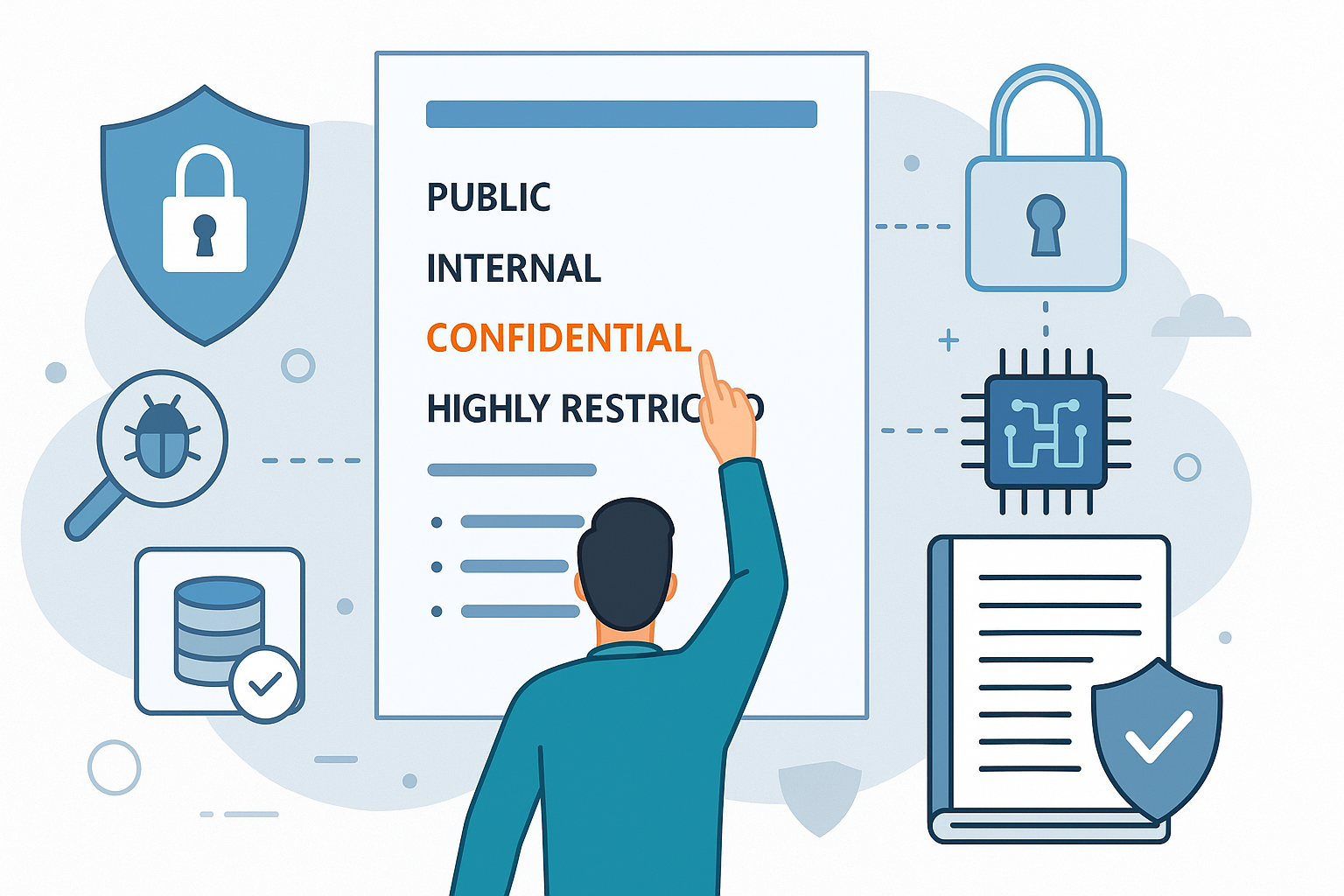
How Security Classification Guides Strengthen Data Protection in Modern Cybersecurity
A Security Classification Guide (SCG) defines data protection standards, ensuring sensitive information is handled securely across all levels. By outlining confidentiality, access controls, and declassification procedures, SCGs strengthen cybersecuri

Artificial Intelligence – A Growing Field of Study for Modern Learners
Artificial Intelligence is becoming a top study choice due to high job demand and future scope. This blog explains key subjects, career opportunities, and a simple AI study roadmap to help beginners start learning and build a strong career in the AI

Java in 2026: Why This ‘Old’ Language Is Still Your Golden Ticket to a Tech Career (And Where to Learn It!
Think Java is old news? Think again! 90% of Fortune 500 companies (yes, including Google, Amazon, and Netflix) run on Java (Oracle, 2025). From Android apps to banking systems, Java is the backbone of tech—and Sulekha IT Services is your fast track t

From Student to AI Pro: What Does Prompt Engineering Entail and How Do You Start?
Learn what prompt engineering is, why it matters, and how students and professionals can start mastering AI tools like ChatGPT, Gemini, and Copilot.

Cyber Security in 2025: The Golden Ticket to a Future-Proof Career
Cyber security jobs are growing 35% faster than any other tech field (U.S. Bureau of Labor Statistics, 2024)—and the average salary is $100,000+ per year! In a world where data breaches cost businesses $4.45 million on average (IBM, 2024), cyber secu

SAP SD in 2025: Your Ticket to a High-Flying IT Career
In the fast-paced world of IT and enterprise software, SAP SD (Sales and Distribution) is the secret sauce that keeps businesses running smoothly. Whether it’s managing customer orders, pricing, shipping, or billing, SAP SD is the backbone of sales o

SAP FICO in 2025: Salary, Jobs & How to Get Certified
AP FICO professionals earn $90,000–$130,000/year in the USA and Canada—and demand is skyrocketing! If you’re eyeing a future-proof IT career, SAP FICO (Financial Accounting & Controlling) is your golden ticket. But where do you start? Sulekha IT Serv

Train Like an AI Engineer: The Smartest Career Move You’ll Make This Year!
Why AI Engineering Is the Hottest Skillset Right Now From self-driving cars to chatbots that sound eerily human, Artificial Intelligence is no longer science fiction — it’s the backbone of modern tech. And guess what? Companies across the USA and Can
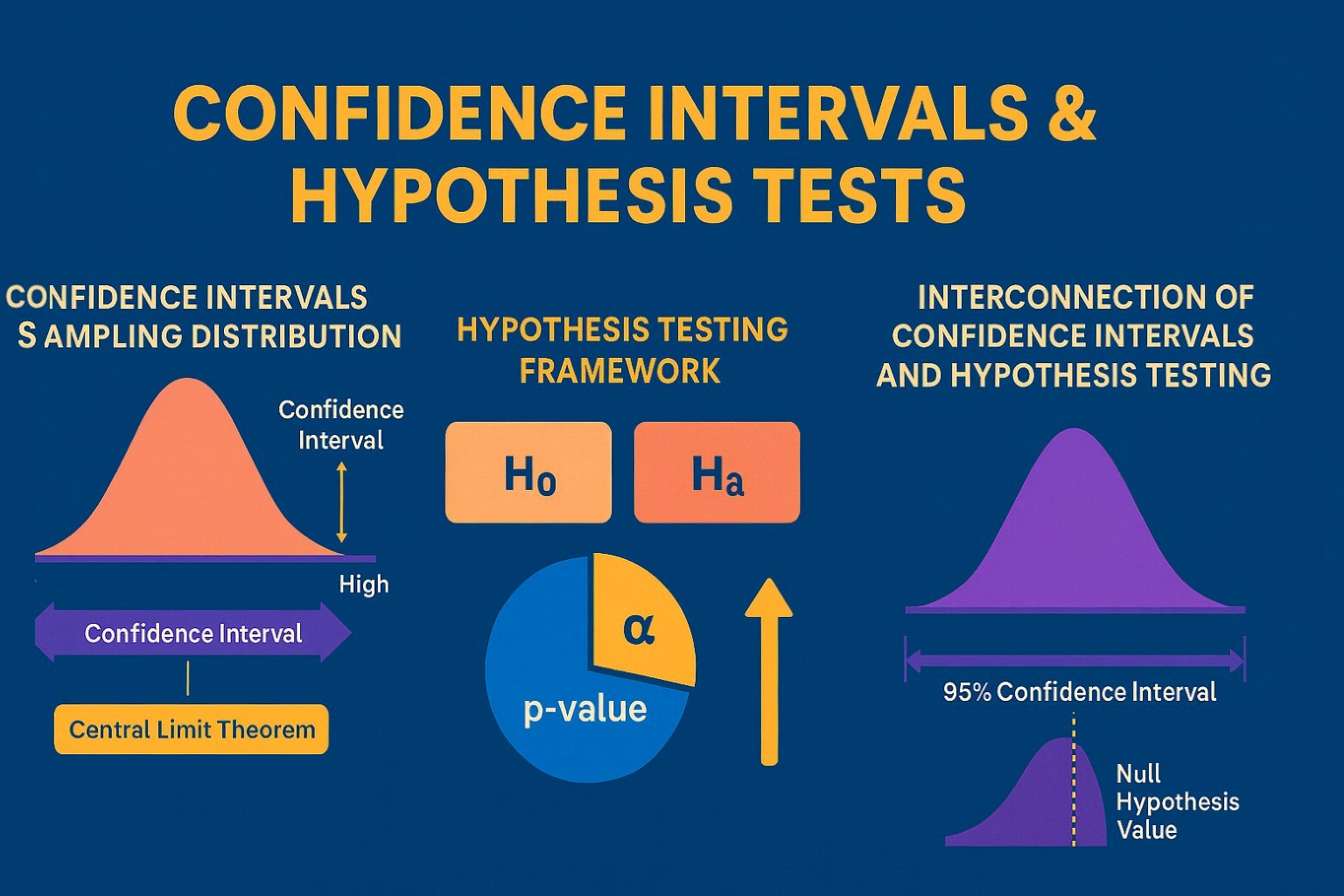
Confidence Intervals & Hypothesis Tests: The Data Science Path to Generalization
Learn how confidence intervals and hypothesis tests turn sample data into reliable population insights in data science. Understand CLT, p-values, and significance to generalize results, quantify uncertainty, and make evidence-based decisions.