Exploring Cybersecurity Roles - What You Need to Know
In the previous blog, we discussed a few crucial cyber security roles and responsibilities. Now, continue to exist and delve deeper into the details of the remaining job role to ensure a comprehensive understanding of your qualifications and how they align with our needs.
This discussion is essential because it will allow us to understand better the specific responsibilities, skill sets, and requirements for each role. By doing so, we can make informed decisions about recruitment, cybersecurity training, and resource allocation. With the aid of this blog, you will have a profound understanding of the specific tools they use, the types of threats they encounter, and the cybersecurity certifications they should possess. By having a detailed conversation about this role and others, we can align our cybersecurity workforce more effectively with our organization's security objectives and address potential skills gaps.
Cryptographers:
Organizations worldwide realize the importance of encrypting the system and data transmission and storage. The encryption method protects the system or network from illegal hackers when they breach the system and intercept traffic.
As network usage proliferates, focusing on end-to-end encryption of the information they exchange with customers has become crucial, challenging, and a burden.
On the other hand, organizations face challenges in protecting data from these hackers. In addition, legal and illegal hackers utilize unique tools, but the key difference is that malicious hackers don't have the authority to breach the system. Hackers breach the system or network and steal confidential data if the encryption is weak.
Due to this, organizations encrypt data, emails, and internet connections. Cryptographers offer these services by employing each capability's most appropriate encryption methods. Cryptographers typically have a degree in computer science and further certification in cryptography.
If you intend to take certification in cryptography, you can approach Sulekha, which provides several cybersecurity certification courses that enhance career prospects by offering specialized expertise in high demand, leading to increased job opportunities and higher earning potential.
Computer forensic experts
Computer forensic experts' primary responsibility is to investigate cybercrime incidents and find out the cause of incidences.
Computer forensic experts are responsible for investigating and analyzing digital evidence to support legal proceedings or investigations. They specialize in collecting and preserving digital evidence from various sources, such as computers, mobile devices, servers, and networks. This involves creating forensic images or copies of the data to ensure the integrity and authenticity of the evidence.
Once the data is collected, computer forensic experts meticulously analyze and interpret it to identify relevant information. This may involve examining file metadata, internet browsing history, emails, chat logs, or any other digital artifacts that could provide valuable insights into the case.
Network security engineers:
Network security engineers are experts and specialize in providing solutions for protecting networks. SO their prominent duties revolve around WAN, LAN, and servers.
Moreover, their prominent responsibility is implementing tools like intrusion prevention systems and firewalls. They work efficiently to ensure that the organization has adequate parameters to secure the system from attack.
They also monitor hardware like routers and switches to ensure they are not compromised. Network security engineers will be educated in networking and certified in network security.
Information assurance technicians:
In the digital world, data storage is enormous. Due to this, many system or network has been targeted by digital criminals to steal confidential data.
Technicians in information assurance ensure the security and integrity of an organization's information systems and data. They protect sensitive information from unwanted access, theft, or damage. They are responsible for implementing and administering security measures like firewalls, encryption protocols, and intrusion detection systems. They also do frequent security audits and vulnerability assessments to discover potential system flaws and take the required steps to reduce risks.
Data security analysts:
It is an entry-level position, but individuals in this role play a crucial role in protecting sensitive data. Data security analysts are hired in small and large organizations to discover their vulnerabilities, audit their security systems, and present their findings. Data Security Analysts also perform security audits, penetration testing, and vulnerability assessments to detect system flaws and take preventative measures to mitigate these risks. They collaborate with IT teams to configure and manage security solutions like firewalls and intrusion detection systems and respond quickly to security incidents by investigating breaches and implementing corrective actions.
IT security compliance analysts
Cybercrime incidents impact organizations defectively because cybercriminals are mainly involved in cash theft.
Cyber breaches come with miserable activities and consequences when an organization forgets to take pre-measure activities of securing personal information. Prescribed regulations regarding data security will not disclose the attack to users.
Millions of companies are paying close attention to security policies to reduce threats and aid in responding and recovery processes.
However, more attention should be paid to the adherence to these policies. IT security compliance analysts ensure adherence to internal and external security policies. Internally, they make sure that personnel follow security policies.
They may devise metrics to track and reward compliance or noncompliance. These professionals verify that the organization meets the mandated regulatory criteria outside the company. IT security compliance analysts are knowledgeable about a variety of frameworks used in the formulation of security policies.
Among these frameworks are NIST and ISO 27001. These professionals are also familiar with businesses' security controls to protect their systems and networks. Knowing these frameworks will guarantee that users follow all applicable security policies.
For example, they may assess the password strength of system users and advise those with weak passwords to update them. Finally, they know all applicable legislation that influences firms locally and internationally.
System security specialists:
System security specialists are experts in both computer hardware and software experts. They are crucial in providing security for organizations- both physical and digital threats.
Moreover. they analyze the organization's infrastructure, applications, and networks to detect potential security breaches or risks. Based on their findings, they develop and implement security measures and protocols to safeguard the system from external threats.
Another crucial aspect of their role is to stay updated with the latest security threats and trends. System security specialists constantly research and evaluate emerging technologies, tools, and techniques to enhance the organization's security posture. In addition, they document and report security incidents, analyze root causes, and recommend improvements to prevent similar incidents.
We shall discuss some top companies and industries hiring skilled cybersecurity specialists.
Companies hire skilled cybersecurity specialists:
- Symantec
- Palo Alto Networks
- Ernst & Young (EY)
- National Security Agency (NSA)
- Northrop Grumman
- Cisco
Industries hire Cybersecurity specialists:
Some examples of industries that hire these cybersecurity professionals include:
- Government agencies
- Financial institutions
- Healthcare organizations
- Technology and cybersecurity companies
- Consulting firms
- Defense contractors
These are just a few examples, and many other industries and companies hire cybersecurity professionals to protect their systems, data, and assets.
Now, we shall discuss the average pay scale of cybersecurity professionals in detail. In this blog, we have discussed many demanding job roles and their responsibilities; we shall look at any one of their salary perk:
Cryptographer’s salary stand competitive and range from approximately $60,000 to $150,000 or more per year. Cryptographers with advanced degrees or certifications like Certified Information Systems Security Professional (CISSP) or Certified Information Systems Manager (CISM) may also command higher pay.
"In summary, the roles and responsibilities of cybersecurity professionals are the backbone of our digital defense. As technology advances and cyber threats grow in complexity, these dedicated experts play a vital role in preserving the integrity and security of our online world. If you want to get into cybersecurity, you can approach Sulekha, which provides basic to advanced-level certification courses in cybersecurity for professional growth.
Find a course provider to learn Cyber Security
Java training | J2EE training | J2EE Jboss training | Apache JMeter trainingTake the next step towards your professional goals in Cyber Security
Don't hesitate to talk with our course advisor right now
Receive a call
Contact NowMake a call
+1-732-338-7323Take our FREE Skill Assessment Test to discover your strengths and earn a certificate upon completion.
Enroll for the next batch
hands on cyber security training
- Apr 13 2026
- Online
hands on cyber security training
- Apr 14 2026
- Online
hands on cyber security training
- Apr 15 2026
- Online
cyber security training courses
- Apr 16 2026
- Online
cyber security training courses
- Apr 17 2026
- Online
Related blogs on Cyber Security to learn more
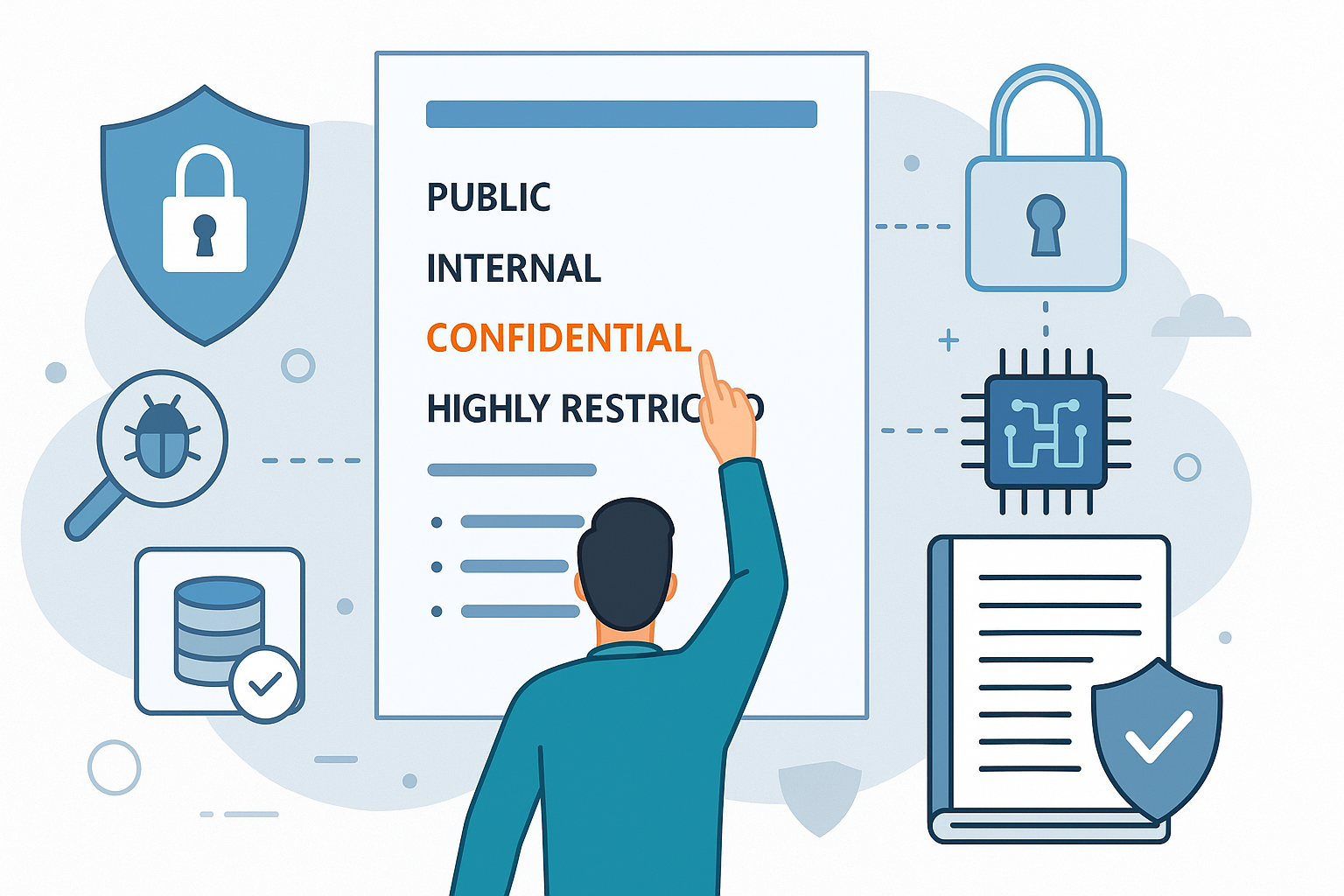
How Security Classification Guides Strengthen Data Protection in Modern Cybersecurity
A Security Classification Guide (SCG) defines data protection standards, ensuring sensitive information is handled securely across all levels. By outlining confidentiality, access controls, and declassification procedures, SCGs strengthen cybersecuri
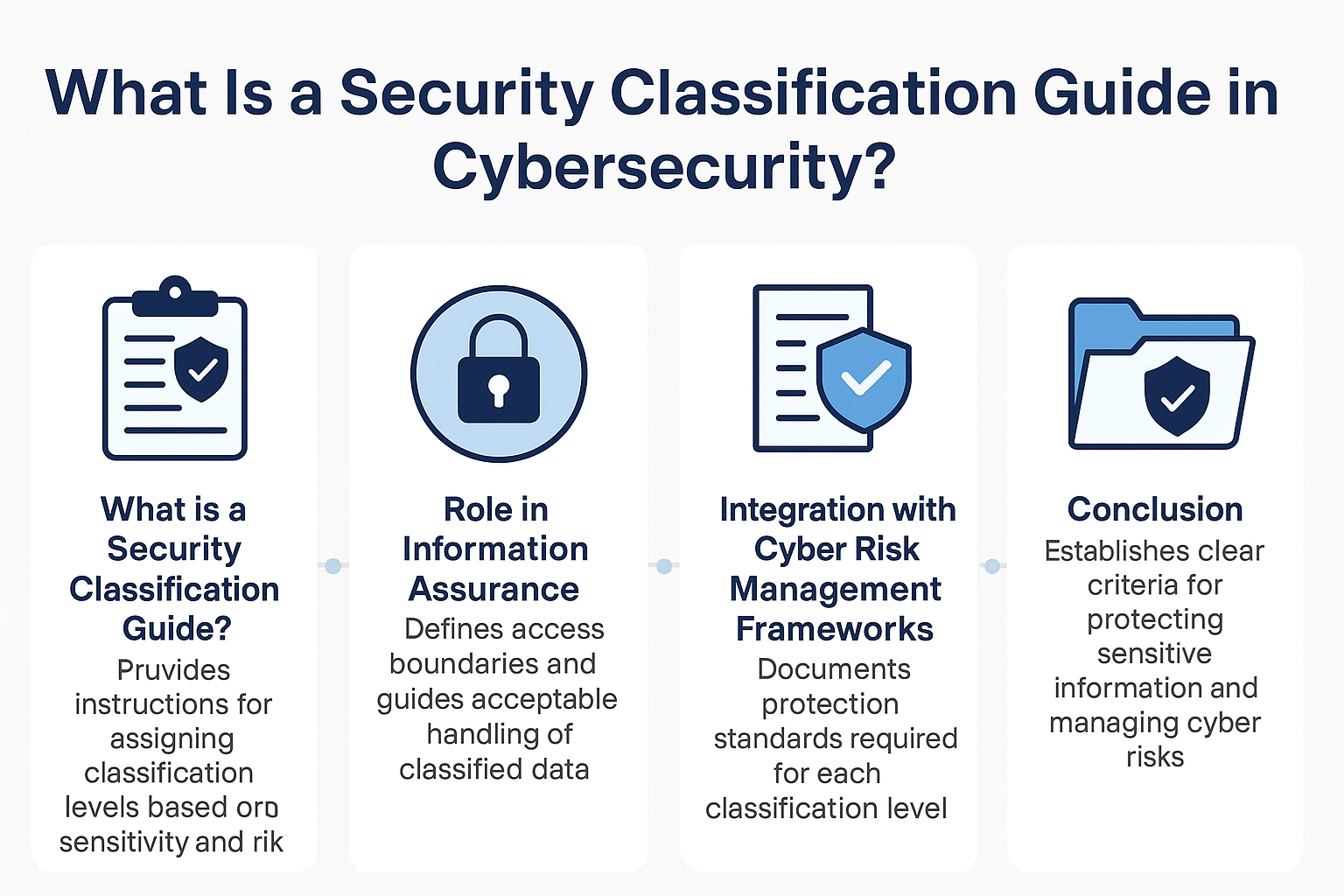
What Is a Security Classification Guide in Cybersecurity?
A Security Classification Guide (SCG) defines how to categorize information assets by sensitivity, with clear instructions from authorized officials to ensure consistent, compliant data handling.
Cybersecurity Training: Powering Digital Defense
Explore top cybersecurity training programs in the USA to meet rising demand in digital defense. Learn about certifications, salaries, and career opportunities in this high-growth field.
What Does a Cybersecurity Analyst Do? 2025
Discover the vital role of a Cybersecurity Analyst in 2025, protecting organizations from evolving cyber threats through monitoring, threat assessment, and incident response. Learn about career paths, key skills, certifications, and why now is the be
What essential skills and trends should cybersecurity professionals navigate in 2024?
Cybersecurity professionals in 2024 must master a diverse skillset, from cloud security and AI to soft skills like communication and problem-solving, to stay ahead of evolving cyber threats and regulations.
What Does a Cybersecurity Analyst Do?
Learn about the role of a Cybersecurity Analyst, responsible for protecting an organization's computer networks from cyberattacks.
10 Popular Cybersecurity Certifications
From CompTIA Security+ to CISSP, these certifications can boost your career and demonstrate your commitment to protecting computer systems and networks.

What are the most popular technical certifications for future career advancement?
Unlock your potential with insights into 5 popular technical certifications for future career growth, spanning cybersecurity, blockchain, cloud computing and more. Explore pathways for professional advancement today.
How to Become a Security Architect: 2024 Career Guide
How to Become a Security Architect: 2024 Career Guide In today's fast-paced and digitally interconnected world, the role of a Security Architect
Latest blogs on technology to explore

Drug Safety & Pharmacovigilance: Your 2026 Career Passport to a Booming Healthcare Industry!
Why This Course Is the Hottest Ticket for Science Grads & Healthcare Pros (No Lab Coat Required!)" The Exploding Demand for Drug Safety Experts "Did you know? The global pharmacovigilance market is set to hit $12.5B by 2026 (Grand View Research, 202

Launch Your Tech Career: Why Mastering AWS Foundation is Your Golden Ticket in 2026
There’s one skill that can open all those doors — Amazon Web Services (AWS) Foundation

Data Science in 2026: The Hottest Skill of the Decade (And How Sulekha IT Services Helps You Master It!)
Data Science: The Career that’s everywhere—and Nowhere Near Slowing Down "From Netflix recommendations to self-driving cars, data science is the secret sauce behind the tech you use every day. And here’s the kicker: The U.S. alone will have 11.5 mill

Salesforce Admin in 2026: The Career Goldmine You Didn’t Know You Needed (And How to Break In!)
The Salesforce Boom: Why Admins Are in Crazy Demand "Did you know? Salesforce is the 1 CRM platform worldwide, used by 150,000+ companies—including giants like Amazon, Coca-Cola, and Spotify (Salesforce, 2025). And here’s the kicker: Every single one

Python Power: Why 2026 Belongs to Coders Who Think in Python
If the past decade was about learning to code, the next one is about coding smarter. And in 2026, the smartest move for any IT enthusiast is learning Python — the language that powers AI models, automates the web, and drives data decisions across ind

The Tableau Revolution of 2025
"In a world drowning in data, companies aren’t just looking for analysts—they’re hunting for storytellers who can turn numbers into decisions. Enter Tableau, the #1 data visualization tool used by 86% of Fortune 500 companies (Tableau, 2024). Whether
From Student to AI Pro: What Does Prompt Engineering Entail and How Do You Start?
Explore the growing field of prompt engineering, a vital skill for AI enthusiasts. Learn how to craft optimized prompts for tools like ChatGPT and Gemini, and discover the career opportunities and skills needed to succeed in this fast-evolving indust
How Security Classification Guides Strengthen Data Protection in Modern Cybersecurity
A Security Classification Guide (SCG) defines data protection standards, ensuring sensitive information is handled securely across all levels. By outlining confidentiality, access controls, and declassification procedures, SCGs strengthen cybersecuri

Artificial Intelligence – A Growing Field of Study for Modern Learners
Artificial Intelligence is becoming a top study choice due to high job demand and future scope. This blog explains key subjects, career opportunities, and a simple AI study roadmap to help beginners start learning and build a strong career in the AI

Java in 2026: Why This ‘Old’ Language Is Still Your Golden Ticket to a Tech Career (And Where to Learn It!
Think Java is old news? Think again! 90% of Fortune 500 companies (yes, including Google, Amazon, and Netflix) run on Java (Oracle, 2025). From Android apps to banking systems, Java is the backbone of tech—and Sulekha IT Services is your fast track t