Upgrade to the Next-level IoT Biased Data Science
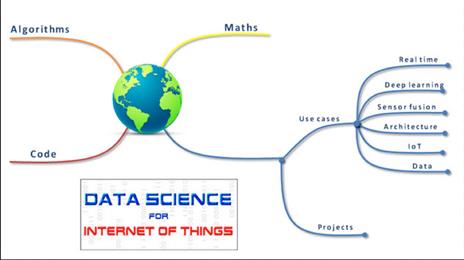
Data Science for IoT- How crucial is for Data Scientists to Master it?
In a world so obsessed with the information, the notion of data science is critically significant. A huge amount of data is being generated and retained, and to leverage this information into something productive is why the world seeks data scientists. However, with crucial advancements in technology, the need of upgrading the skills of a data scientist, to efficiently perform their core functions such as data cleaning, analysis, modeling and prototyping, has increased substantially. Moreover, applying the latest technologies and practicing the same to improve the potency of the process will nurture your journey as a data scientist. The idea of integrating IoT and machine learning concepts into data science has recently gained some recognition and interest. In fact, it opens up immense possibilities for future data workers to explore the deep hidden benefits of data. Here in this document, we discuss the gravity of employing IoT skills as a data scientist and how important is it for your career development?
Distinguish Between Traditional Data Science and Data Science for IoT
More than 6 billion devices have come online over this two decades. And all these interconnected devices collectively produce more than 2.5 quintillion bytes of data day by day. If organized and managed appropriately, these data will have a corporeal influence on the business processes over the next few years. This indicates the criticality of developing IoT as a skill for data scientists. While assimilating both traditional and IoT integrated data science, the major factor that set them apart is the real-time factor. When traditional data science solely depends on the common processes that aids data collection and organization, IoT analyses and comprehends data in real-time. However, both of the processes demands high signal rates and processing times. IoT particularly needs combined yet accurate insights to reach a satisfying conclusion. Anyhow, one needs to get familiar with several factors as he/she decides to jump into an IoT powered data science stream. They must understand the idea of edge computing and the importance of system being efficient in optimizing insights and detecting predictive misbehaviors. A clear grasp of the specific analytics models in IoT, sensor fusion, privacy, and security, are highly recommended as well.
What does it Take you to Upgrade to the Next-level IoT Biased Data Science?
The skill set needed for a data scientist to become an IoT developer or an analyst is somewhat similar to their existing practices. However, the most significant fact is that they must think and act in terms of data source and frequency. And also, they should be capable to develop and connect systems, which comprises sensors, chips and communication gateways. Anyway, the stereotypical idea of being proficient in a single segment or coding language is no longer acceptable. Since no devices in IoT will rely on a single core platform, coding languages used to develop and maintain those devices will change with respect to the organization, platform they prefer or the way they implement. This propels the future generation of IoT developers and analysts to awaken to the concept of mastering different tools and technologies. Based on a study conducted by CIO magazine, these are the skills an IoT developer needed, Machine learning and AIAutoCADJavaScriptConsumer and enterprise-level privacy and securityCloud computing and managementEdge analytics and computing Blockchain
Bottom Line
Apart from aforementioned technical skills, an IoT developer or an analyst should possess remarkable problem-solving skills. Since the IoT centers on delivering solutions for real-time issues, the developers should have to be capable to understand the logic and relevance towards the problem to be solved. Sheer curiosity, an urge to grow beyond your limits, excellent time management, and productivity skills, can take you places. The ability to connect and collaborate with the team is as crucial as any other factors. However, exploring the possibilities of IoT while transcending your analytical skills is both helpful in improving your learning curve as well expanding your career path. Now, take the plunge. Step into the world of IoT, stay ahead of the curve.
Find a course provider to learn IoT Analytics
Java training | J2EE training | J2EE Jboss training | Apache JMeter trainingTake the next step towards your professional goals in IoT Analytics
Don't hesitate to talk with our course advisor right now
Receive a call
Contact NowMake a call
+1-732-338-7323Enroll for the next batch
IoT Analytics Hands-on Training with Job Placement
- Jun 22 2026
- Online
IoT Analytics Hands-on Training with Job Placement
- Jun 23 2026
- Online
IoT Analytics Hands-on Training with Job Placement
- Jun 24 2026
- Online
IoT Analytics Hands-on Training with Job Placement
- Jun 25 2026
- Online
IoT Analytics Hands-on Training with Job Placement
- Jun 26 2026
- Online
Latest blogs on technology to explore

Drug Safety & Pharmacovigilance: Your 2026 Career Passport to a Booming Healthcare Industry!
Why This Course Is the Hottest Ticket for Science Grads & Healthcare Pros (No Lab Coat Required!)" The Exploding Demand for Drug Safety Experts "Did you know? The global pharmacovigilance market is set to hit $12.5B by 2026 (Grand View Research, 202
Launch Your Tech Career: Why Mastering AWS Foundation is Your Golden Ticket in 2026
There’s one skill that can open all those doors — Amazon Web Services (AWS) Foundation
Data Science in 2026: The Hottest Skill of the Decade (And How Sulekha IT Services Helps You Master It!)
Data Science: The Career that’s everywhere—and Nowhere Near Slowing Down "From Netflix recommendations to self-driving cars, data science is the secret sauce behind the tech you use every day. And here’s the kicker: The U.S. alone will have 11.5 mill

Salesforce Admin in 2026: The Career Goldmine You Didn’t Know You Needed (And How to Break In!)
The Salesforce Boom: Why Admins Are in Crazy Demand "Did you know? Salesforce is the 1 CRM platform worldwide, used by 150,000+ companies—including giants like Amazon, Coca-Cola, and Spotify (Salesforce, 2025). And here’s the kicker: Every single one
Python Power: Why 2026 Belongs to Coders Who Think in Python
If the past decade was about learning to code, the next one is about coding smarter. And in 2026, the smartest move for any IT enthusiast is learning Python — the language that powers AI models, automates the web, and drives data decisions across ind
The Tableau Revolution of 2025
"In a world drowning in data, companies aren’t just looking for analysts—they’re hunting for storytellers who can turn numbers into decisions. Enter Tableau, the #1 data visualization tool used by 86% of Fortune 500 companies (Tableau, 2024). Whether
From Student to AI Pro: What Does Prompt Engineering Entail and How Do You Start?
Explore the growing field of prompt engineering, a vital skill for AI enthusiasts. Learn how to craft optimized prompts for tools like ChatGPT and Gemini, and discover the career opportunities and skills needed to succeed in this fast-evolving indust
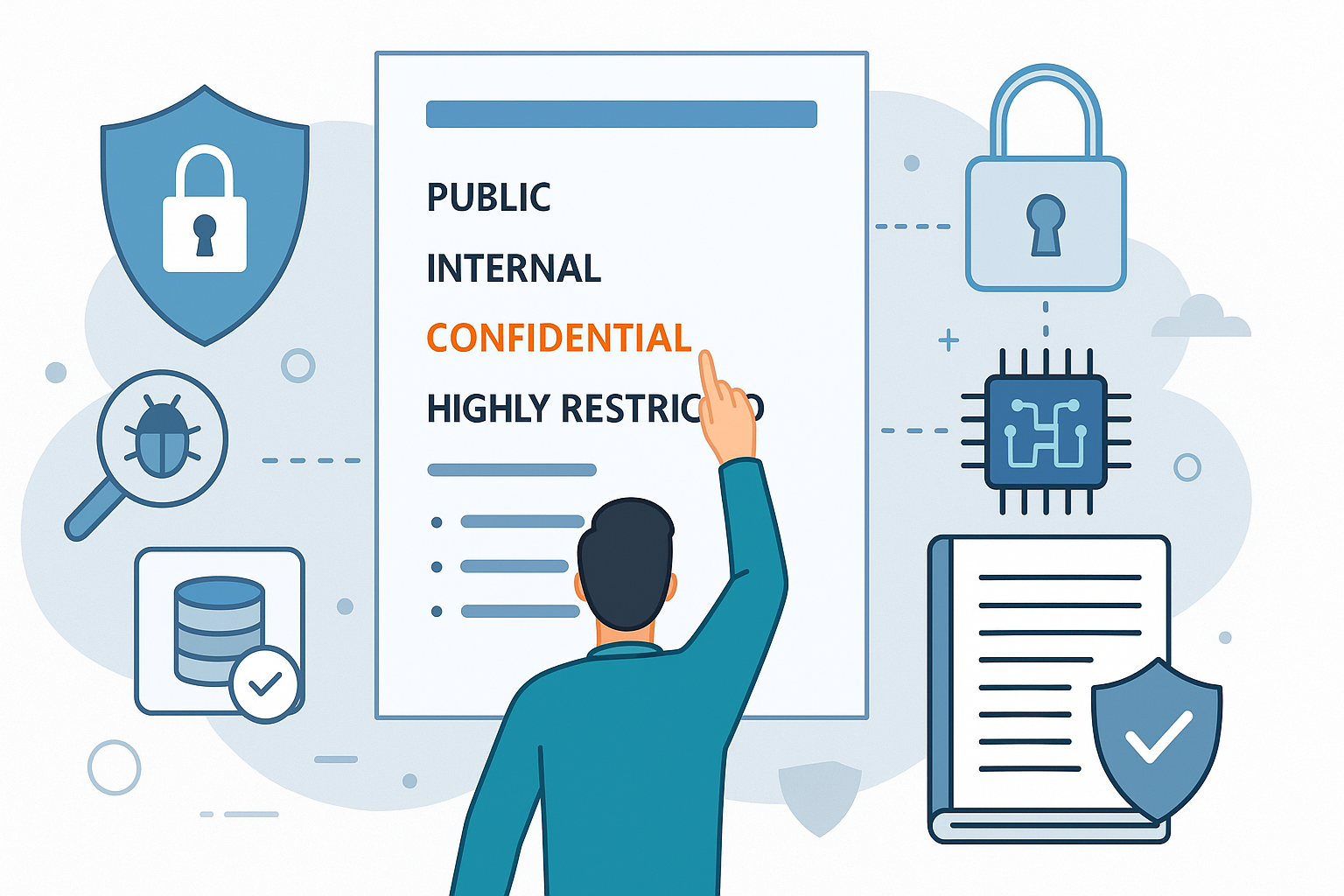
How Security Classification Guides Strengthen Data Protection in Modern Cybersecurity
A Security Classification Guide (SCG) defines data protection standards, ensuring sensitive information is handled securely across all levels. By outlining confidentiality, access controls, and declassification procedures, SCGs strengthen cybersecuri
Artificial Intelligence – A Growing Field of Study for Modern Learners
Artificial Intelligence is becoming a top study choice due to high job demand and future scope. This blog explains key subjects, career opportunities, and a simple AI study roadmap to help beginners start learning and build a strong career in the AI
Java in 2026: Why This ‘Old’ Language Is Still Your Golden Ticket to a Tech Career (And Where to Learn It!
Think Java is old news? Think again! 90% of Fortune 500 companies (yes, including Google, Amazon, and Netflix) run on Java (Oracle, 2025). From Android apps to banking systems, Java is the backbone of tech—and Sulekha IT Services is your fast track t