Types of Data Scientists: Which is Right for You?
Of late, there has been a lot of discussion about evolution of Data Science, but not sufficient informed conversation about the talent in this field. Enterprises typically spend more time considering how to optimize their Big Data than thinking about how to inspire the data scientists who make data most insightful and resourceful for a business.
Often the term “data scientist” is used to define two different types of roles: one who derives data analytics for human beings, and one who derives analytics for machines. It is vital to differentiate these two categories of data scientists because the skill sets, knowledge and background needed for the success in these two fields are quite different.
Nowadays, there has been an increasing awareness among enterprises regarding importance of understanding the potentials of Data Science and this fine line of difference between the roles of data scientists. When it comes to defining an effective Big Data strategy, this distinction is of utmost importance.
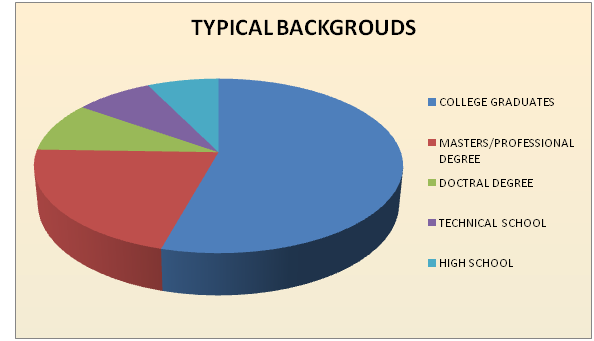
Discussed here are the two types of data scientists – their backgrounds and skill sets – to help you understand which the right career choice is for you.
Data Scientists for Humans
In this case, the data scientist produces analytics of humans. They have to report on findings and provide answers to questions such as what factors are driving user retention or growth or what is the demographic or buying pattern of the group using the product, etc. Though they tend to sift through similar data sets as that for analytics for machines, they generally deliver the report of their predictions and models to another human being, who is responsible for critical product or business decision making.
What adds to the complexity of this job is that most often the decision maker is not a data scientist. Thus, you would have to explain the analytics reports in a non-technical manner. This implies that he or she might have to choose basic models as compared to more accurate but complex ones. They should also be more efficient in analyzing and reporting the “how” and “why” factors that plays an integral role in analytics.
Typically, a person with background or a Ph.D. degree as social scientist is considered more suitable for the job since they are more comfortable producing analytics for humans.
Data Scientists for Machines
Another major category of data scientist is one who produces data analytics for machines, i.e. the decision maker based on predictions and assumptions is a computer. This field of Data Science deals with building complex models which encompass large volumes of data sets and extracting signals from such data by using sophisticated algorithms and machine learning. This is more appropriate for work areas like online advertisement or content targeting, algorithmic trading, personalized product suggestions, etc. The digital models built by data scientists act on their own, making suggestions, trading automatically in the market, or choosing online ads to display. All this is done based on predictions and analysis made by the data scientist.
Data scientists in the field of analytics for machines may need to have a strong background in Natural Science, Mathematics, Computer, and Engineering. Efficient mathematical, statistical and computational skills help in building models that are capable of making accurate predictions quickly. They are capable of handling unambiguous and measurable metrics, and building highly robust large-scale computer systems to deploy analysis.
Conclusion:
It is rather impossible to be well-suited for both the job categories, and therefore, aspiring data scientists should be clear about what they are good in and likewise, choose their career path in Data Science. So, which is the right job for you? Share your thoughts with us.
Find a course provider to learn Data Science
Java training | J2EE training | J2EE Jboss training | Apache JMeter trainingTake the next step towards your professional goals in Data Science
Don't hesitate to talk with our course advisor right now
Receive a call
Contact NowMake a call
+1-732-338-7323Take our FREE Skill Assessment Test to discover your strengths and earn a certificate upon completion.
Enroll for the next batch
Data Science-Python-ML-AI-Deep Learning (Hands-on Training)
- Dec 8 2025
- Online
Data Science-Python-ML-AI-Deep Learning (Hands-on Training)
- Dec 9 2025
- Online
Data Science-Python-ML-AI-Deep Learning (Hands-on Training)
- Dec 10 2025
- Online
Data Science-Python-ML-AI-Deep Learning (Hands-on Training)
- Dec 11 2025
- Online
Data Science-Python-ML-AI-Deep Learning (Hands-on Training)
- Dec 12 2025
- Online
Related blogs on Data Science to learn more
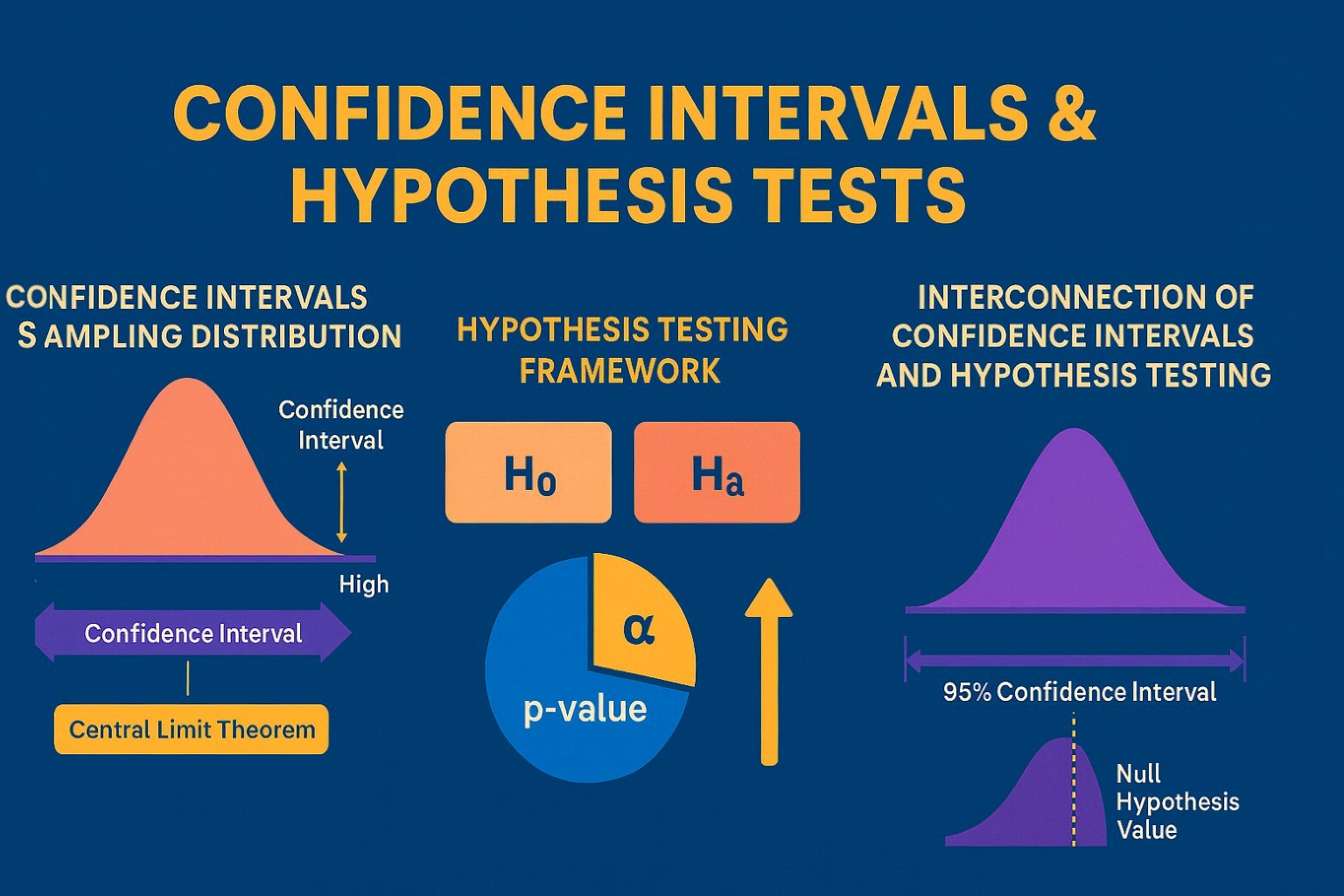
Confidence Intervals & Hypothesis Tests: The Data Science Path to Generalization
Learn how confidence intervals and hypothesis tests turn sample data into reliable population insights in data science. Understand CLT, p-values, and significance to generalize results, quantify uncertainty, and make evidence-based decisions.

Why Pursue Data Science Training?
Empower your career in a data-driven world. Learn why data science training is crucial for high-demand jobs, informed decisions, and staying ahead with essential skills.
Overview of data analytics VS data scientist
"Discover the key differences between data analytics and data science, explore top courses, job roles, salary expectations, and essential tools to build a successful career in these fields."
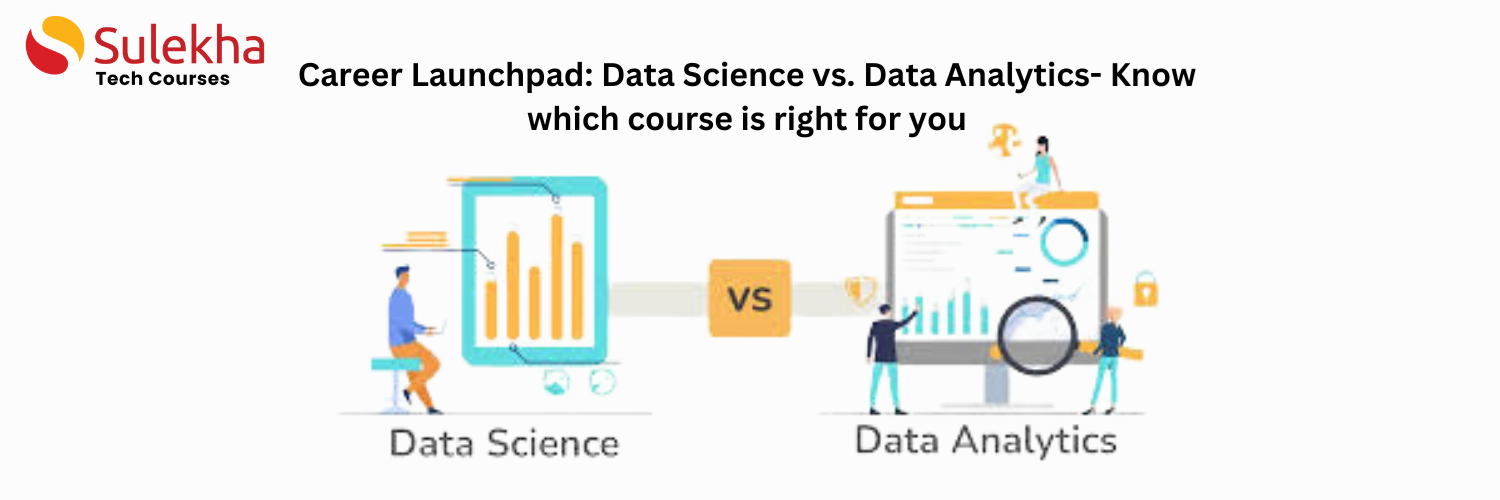
Career Launchpad: Data Science vs. Data Analytics- Know which course is right for you
Discover the key differences between Data Science and Data Analytics to choose the right course for your career. Explore roles, curriculum, salaries, and future prospects in this comprehensive guide.
What are Algorithms?
Discover the fundamentals of algorithms and data structures, their characteristics, types, and their crucial role in problem-solving and programming efficiency.

TEN ENTRY LEVEL JOBS IN IT FOR FRESHERS
Explore ten entry-level IT jobs for freshers, including roles like Help Desk Technician and Cloud Engineer, that require no prior experience but foundational IT knowledge. Discover exciting career paths in the technology sector that offer growth and

What is statistics?
Discover the basics of statistics, including its major types—descriptive and inferential—and their importance in data analysis and prediction.

Twelve High Paying Jobs in New York City
Uncover twelve high-paying jobs in New York City, including roles like data scientist and public relations manager. Learn about their responsibilities and salary ranges.

What is Linear Algebra?
Discover the importance of linear algebra in various fields like data science, economics, and medicine. Understand its applications and why it's an essential skill for students and professionals alike.

TEN ENTRY LEVEL JOBS IN IT FOR FRESHERS
Discover ten entry-level IT jobs perfect for freshers, offering exciting career opportunities and a pathway to success in the tech industry.
Latest blogs on technology to explore
From Student to AI Pro: What Does Prompt Engineering Entail and How Do You Start?
Explore the growing field of prompt engineering, a vital skill for AI enthusiasts. Learn how to craft optimized prompts for tools like ChatGPT and Gemini, and discover the career opportunities and skills needed to succeed in this fast-evolving indust
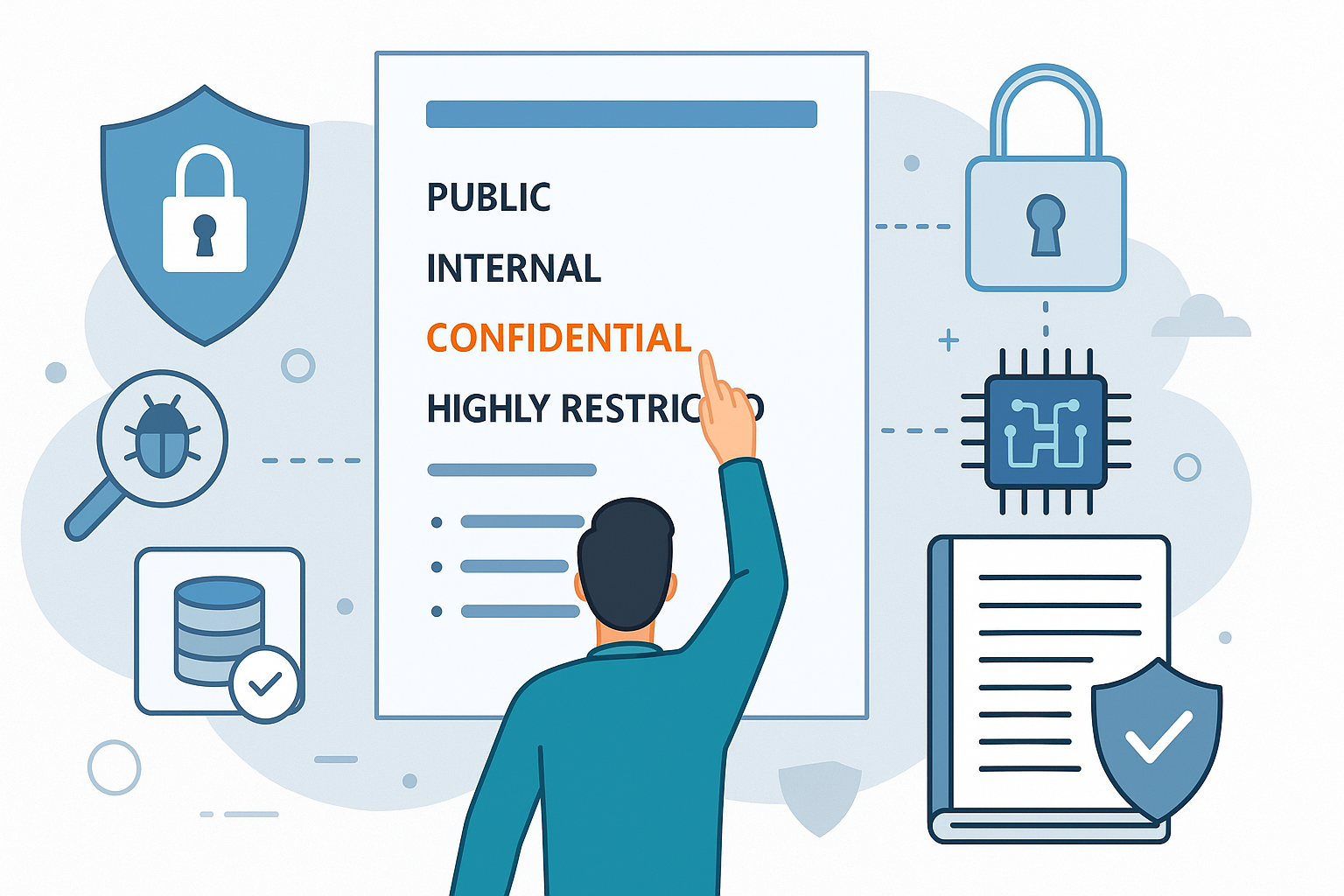
How Security Classification Guides Strengthen Data Protection in Modern Cybersecurity
A Security Classification Guide (SCG) defines data protection standards, ensuring sensitive information is handled securely across all levels. By outlining confidentiality, access controls, and declassification procedures, SCGs strengthen cybersecuri

Artificial Intelligence – A Growing Field of Study for Modern Learners
Artificial Intelligence is becoming a top study choice due to high job demand and future scope. This blog explains key subjects, career opportunities, and a simple AI study roadmap to help beginners start learning and build a strong career in the AI
Java in 2026: Why This ‘Old’ Language Is Still Your Golden Ticket to a Tech Career (And Where to Learn It!
Think Java is old news? Think again! 90% of Fortune 500 companies (yes, including Google, Amazon, and Netflix) run on Java (Oracle, 2025). From Android apps to banking systems, Java is the backbone of tech—and Sulekha IT Services is your fast track t

From Student to AI Pro: What Does Prompt Engineering Entail and How Do You Start?
Learn what prompt engineering is, why it matters, and how students and professionals can start mastering AI tools like ChatGPT, Gemini, and Copilot.

Cyber Security in 2025: The Golden Ticket to a Future-Proof Career
Cyber security jobs are growing 35% faster than any other tech field (U.S. Bureau of Labor Statistics, 2024)—and the average salary is $100,000+ per year! In a world where data breaches cost businesses $4.45 million on average (IBM, 2024), cyber secu

SAP SD in 2025: Your Ticket to a High-Flying IT Career
In the fast-paced world of IT and enterprise software, SAP SD (Sales and Distribution) is the secret sauce that keeps businesses running smoothly. Whether it’s managing customer orders, pricing, shipping, or billing, SAP SD is the backbone of sales o

SAP FICO in 2025: Salary, Jobs & How to Get Certified
AP FICO professionals earn $90,000–$130,000/year in the USA and Canada—and demand is skyrocketing! If you’re eyeing a future-proof IT career, SAP FICO (Financial Accounting & Controlling) is your golden ticket. But where do you start? Sulekha IT Serv

Train Like an AI Engineer: The Smartest Career Move You’ll Make This Year!
Why AI Engineering Is the Hottest Skillset Right Now From self-driving cars to chatbots that sound eerily human, Artificial Intelligence is no longer science fiction — it’s the backbone of modern tech. And guess what? Companies across the USA and Can
Confidence Intervals & Hypothesis Tests: The Data Science Path to Generalization
Learn how confidence intervals and hypothesis tests turn sample data into reliable population insights in data science. Understand CLT, p-values, and significance to generalize results, quantify uncertainty, and make evidence-based decisions.