Significance of Data Science for IoT Businesses
With rapid technology advancements and advent of digital media, the world has become a small place to live in. This digitally connected world is a “treasure trove” ofbulk amount of data, which needs to be efficiently understood and analyzed to extract valuable and business-critical information that can be used for various applications.This is where Data Science comes into the picture. It is a combination of different systems and processes that operate systematically to help Internet of Things businesses to analyze large amount of raw data and extract vital information from them that can be leveraged to develop effective IT strategies.
For the Internet of Things, millions of data points across all industries represent lucrative opportunities. Data Science helps IoT companies dig out these opportunities in different business sectors. Therefore, Internet of Things and DataSciencework together to help achieve higher operational efficiency. The latter not only aims to improve the importance of silos but also focuses on harnessing the information across different facets of IoT business.It also helps to improve core business areas like Service Analysis Stock, Customer Relationship Management, Capacity Planning, etc.
Data Science: How Hardware Integrates IoT
Needless to say, hardware has always helped IoT businesses achieve improved operations and efficiency. Imagine computers thinking like human beings. With technology advancements, it is not merely an imagination. There are organizations working on a design that is based on biological brains, helping to bridge the gap between human beings and machines. The technology would be capable of recognizing and processing sounds, images, patterns and sensory data just like human brains do. Such breakthrough innovations in the field of Data Science and hardware have helped IoT businesses to flourish rapidly. Today, modern devices are enabled with artificial “intelligence”, and connected to the Internet for more powerful applications.
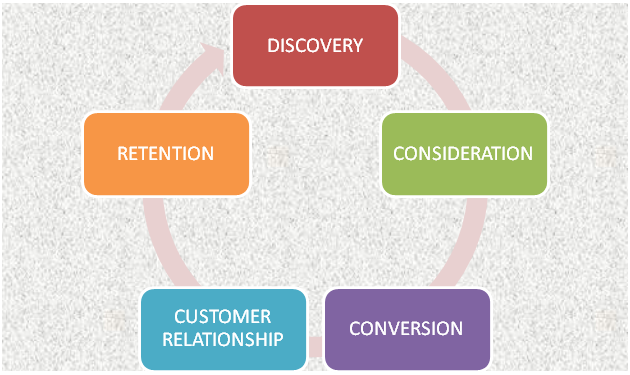
Key Benefits
Bulk IoT data held with your enterprise is not enough to render significant results. A wide range of predictive analytic models and IoT data analysis tools are leveraged to identify hidden images and patterns, or detect frauds by diagnosing anomalies in operational data. Discussed here are the key benefits of Data Science to help IoT businesses gain a competitive advantage.
- It provides in-depth analysis of large volumes of data that can help your company have a competitive advantage over other organizations. Predictive analytics report can be used to identify and leverage latest marketing opportunities before your competitors do.
- It offers end-to-end solutions to your data analytics problems. Data Science not only helps in deep analytics, but also aids in bringing creative ideas to help your IoT business grow and lead in the industry. It provides the right and comprehensive solution to business problems.
- Data mining, which is an integral element of Data Science, provides in-depth understanding of IoT business and its related information by analyzing and presenting bulk amount of war data in a meaningful form. With the help of other tools, it helps integrate data mining with Oracle database, and uncover the potentials of former via different interfaces like PL/SQL Interface, Graphical interface, and Java.
- Being an IoT company, it is more prone to the risk of fraud. However, with data science, the risk of fraud can be minimized dramatically. With the aid of Artificial Intelligence and Statistical Technique, it examines and identifies fraud patterns, which is used to detect malicious patterns in the future.
- To facilitate effective revenue handling or collection, real time pricing data, etc., Data Science can help to manage continuous flow of bids and pricing data by applying mathematical algorithms and statistics.
Find a course provider to learn Data Science
Java training | J2EE training | J2EE Jboss training | Apache JMeter trainingTake the next step towards your professional goals in Data Science
Don't hesitate to talk with our course advisor right now
Receive a call
Contact NowMake a call
+1-732-338-7323Take our FREE Skill Assessment Test to discover your strengths and earn a certificate upon completion.
Enroll for the next batch
Data Science-Python-ML-AI-Deep Learning (Hands-on Training)
- Dec 8 2025
- Online
Data Science-Python-ML-AI-Deep Learning (Hands-on Training)
- Dec 9 2025
- Online
Data Science-Python-ML-AI-Deep Learning (Hands-on Training)
- Dec 10 2025
- Online
Data Science-Python-ML-AI-Deep Learning (Hands-on Training)
- Dec 11 2025
- Online
Data Science-Python-ML-AI-Deep Learning (Hands-on Training)
- Dec 12 2025
- Online
Related blogs on Data Science to learn more
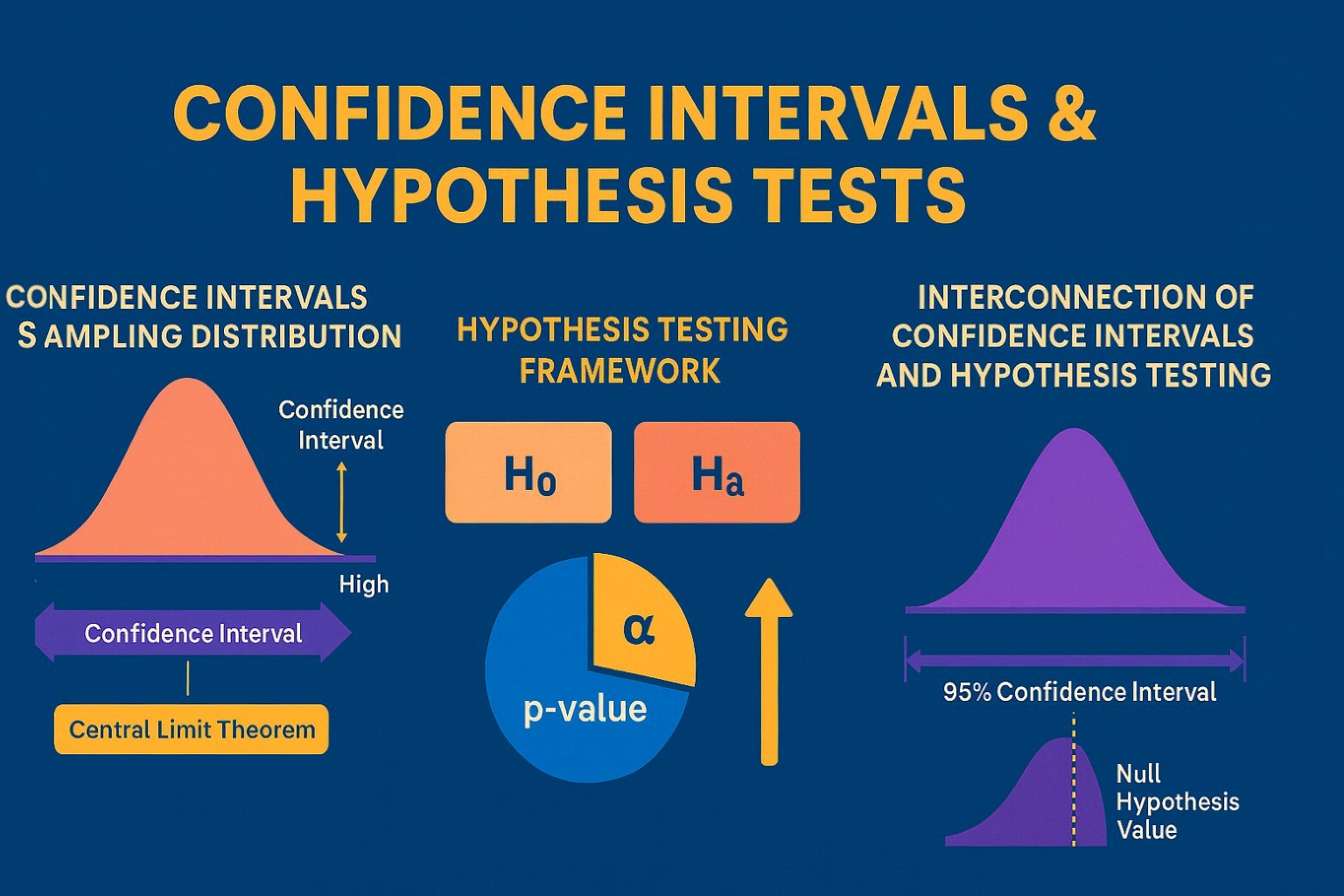
Confidence Intervals & Hypothesis Tests: The Data Science Path to Generalization
Learn how confidence intervals and hypothesis tests turn sample data into reliable population insights in data science. Understand CLT, p-values, and significance to generalize results, quantify uncertainty, and make evidence-based decisions.
Why Pursue Data Science Training?
Empower your career in a data-driven world. Learn why data science training is crucial for high-demand jobs, informed decisions, and staying ahead with essential skills.
Overview of data analytics VS data scientist
"Discover the key differences between data analytics and data science, explore top courses, job roles, salary expectations, and essential tools to build a successful career in these fields."
Career Launchpad: Data Science vs. Data Analytics- Know which course is right for you
Discover the key differences between Data Science and Data Analytics to choose the right course for your career. Explore roles, curriculum, salaries, and future prospects in this comprehensive guide.
What are Algorithms?
Discover the fundamentals of algorithms and data structures, their characteristics, types, and their crucial role in problem-solving and programming efficiency.

TEN ENTRY LEVEL JOBS IN IT FOR FRESHERS
Explore ten entry-level IT jobs for freshers, including roles like Help Desk Technician and Cloud Engineer, that require no prior experience but foundational IT knowledge. Discover exciting career paths in the technology sector that offer growth and

What is statistics?
Discover the basics of statistics, including its major types—descriptive and inferential—and their importance in data analysis and prediction.

Twelve High Paying Jobs in New York City
Uncover twelve high-paying jobs in New York City, including roles like data scientist and public relations manager. Learn about their responsibilities and salary ranges.

What is Linear Algebra?
Discover the importance of linear algebra in various fields like data science, economics, and medicine. Understand its applications and why it's an essential skill for students and professionals alike.

TEN ENTRY LEVEL JOBS IN IT FOR FRESHERS
Discover ten entry-level IT jobs perfect for freshers, offering exciting career opportunities and a pathway to success in the tech industry.
Latest blogs on technology to explore
From Student to AI Pro: What Does Prompt Engineering Entail and How Do You Start?
Explore the growing field of prompt engineering, a vital skill for AI enthusiasts. Learn how to craft optimized prompts for tools like ChatGPT and Gemini, and discover the career opportunities and skills needed to succeed in this fast-evolving indust
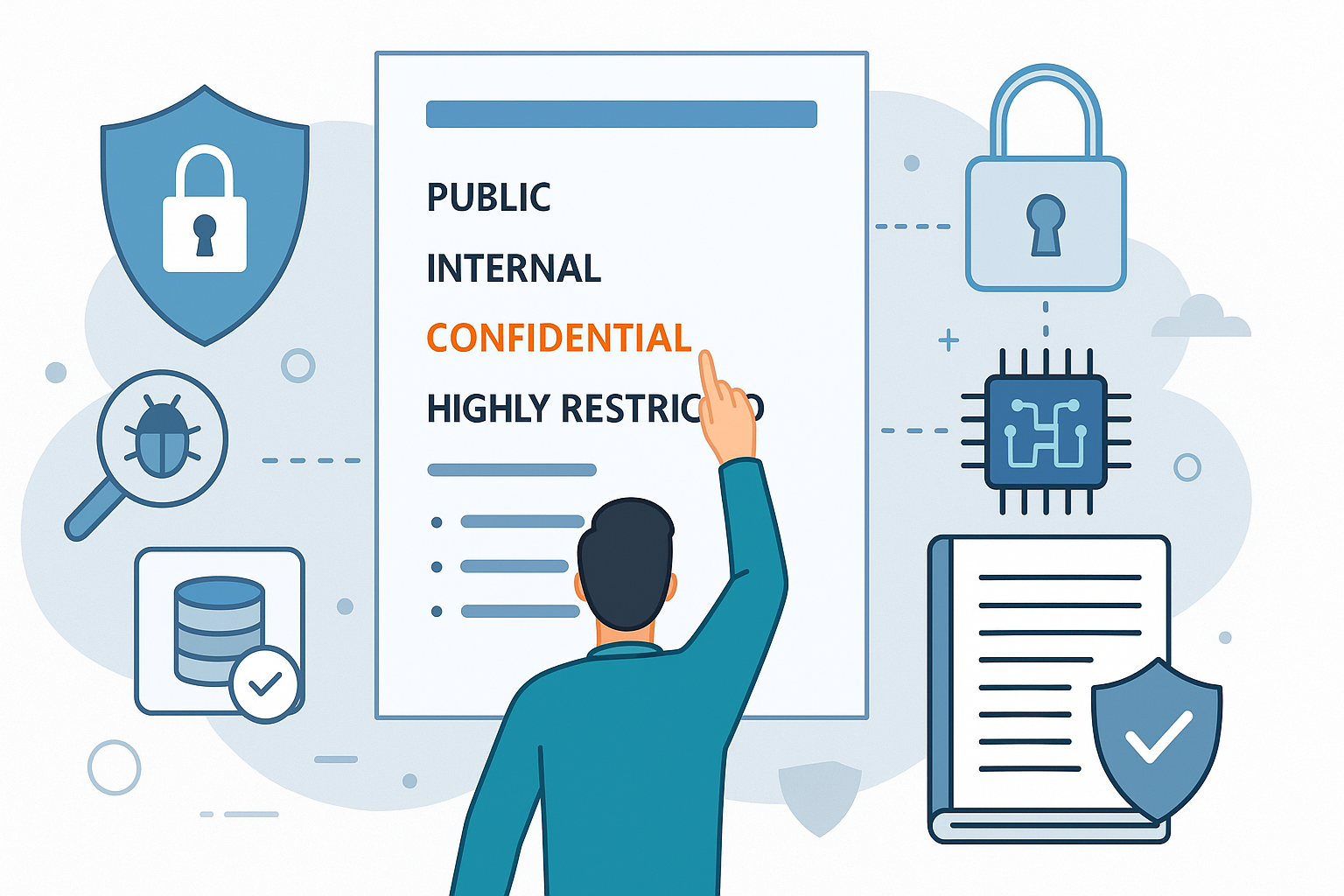
How Security Classification Guides Strengthen Data Protection in Modern Cybersecurity
A Security Classification Guide (SCG) defines data protection standards, ensuring sensitive information is handled securely across all levels. By outlining confidentiality, access controls, and declassification procedures, SCGs strengthen cybersecuri

Artificial Intelligence – A Growing Field of Study for Modern Learners
Artificial Intelligence is becoming a top study choice due to high job demand and future scope. This blog explains key subjects, career opportunities, and a simple AI study roadmap to help beginners start learning and build a strong career in the AI

Java in 2026: Why This ‘Old’ Language Is Still Your Golden Ticket to a Tech Career (And Where to Learn It!
Think Java is old news? Think again! 90% of Fortune 500 companies (yes, including Google, Amazon, and Netflix) run on Java (Oracle, 2025). From Android apps to banking systems, Java is the backbone of tech—and Sulekha IT Services is your fast track t

From Student to AI Pro: What Does Prompt Engineering Entail and How Do You Start?
Learn what prompt engineering is, why it matters, and how students and professionals can start mastering AI tools like ChatGPT, Gemini, and Copilot.

Cyber Security in 2025: The Golden Ticket to a Future-Proof Career
Cyber security jobs are growing 35% faster than any other tech field (U.S. Bureau of Labor Statistics, 2024)—and the average salary is $100,000+ per year! In a world where data breaches cost businesses $4.45 million on average (IBM, 2024), cyber secu

SAP SD in 2025: Your Ticket to a High-Flying IT Career
In the fast-paced world of IT and enterprise software, SAP SD (Sales and Distribution) is the secret sauce that keeps businesses running smoothly. Whether it’s managing customer orders, pricing, shipping, or billing, SAP SD is the backbone of sales o

SAP FICO in 2025: Salary, Jobs & How to Get Certified
AP FICO professionals earn $90,000–$130,000/year in the USA and Canada—and demand is skyrocketing! If you’re eyeing a future-proof IT career, SAP FICO (Financial Accounting & Controlling) is your golden ticket. But where do you start? Sulekha IT Serv

Train Like an AI Engineer: The Smartest Career Move You’ll Make This Year!
Why AI Engineering Is the Hottest Skillset Right Now From self-driving cars to chatbots that sound eerily human, Artificial Intelligence is no longer science fiction — it’s the backbone of modern tech. And guess what? Companies across the USA and Can
Confidence Intervals & Hypothesis Tests: The Data Science Path to Generalization
Learn how confidence intervals and hypothesis tests turn sample data into reliable population insights in data science. Understand CLT, p-values, and significance to generalize results, quantify uncertainty, and make evidence-based decisions.