PYTHON PROGRAMMING
PYTHON PROGRAMMING
What is Python?
Python programming language used in website design, task automation, and data analysis. Python is a general-purpose and high-level programming language. It is interpreted object-oriented programming with built-in programming languages. Guido van Rossum created Python, which was first released in 1991.
Why should you learn Python?
Python gained its reputation in the early 2000s. Let us understand why you should learn Python.
Easy to learn: Python is simple to learn because it has a simple and readable syntax. The syntax resembles plain English, which makes it human-readable. Beginners can easily understand the Python code and syntax.
Indentation: Python defines code blocks using indentation, making the Python code clear and clean.
Minimal setup: Python requires minimal setup. As an interpreted language, you don’t need to compile your code to run it.
Interactive shell: Python has an interactive shell that facilitates writing a code line by line. The development team can experiment and test the code quickly.
Comprehensive library: Python has an extensive library providing modules for several tasks without installing external packages.
Built-in packages: Python has many built-in functions; therefore, beginners need not worry about adding additional libraries to the tasks assigned.
Supportive and helpful community: Python has a valuable community from which new developers can learn. The community supports problem-solving for the developers.
Learning resources: Python has a massive community of developers. Numerous tutorials, forums, documentation, videos, and forums aid beginners in learning.
Versatile platform: Python is versatile and supports several programming patterns, such as functional programming and object-oriented programming. This versatility helps beginners work on basic projects as well as complex projects.
Cross-platform compatibility: Python is compatible with several operating systems (Windows, Linux, MacOS).
High-level details: Python handles several complex tasks by itself. The new learners need not worry about the low-level functions and focus on working on Python.
Strong error message: Python provides descriptive messages, which help new learners identify errors and correct them.
What can be done with Python?
Python is a multipurpose programming language used in several applications.
Web development: Python is used to develop powerful web frameworks like Django, Flask, and Fast API to build excellent applications. Python can build front-end and back-end applications.
Data science and analytics: Python helps manipulate data with libraries like Pandas and NumPy. Data visualization is supported with Matplotlib, Seaborn, and Plotly libraries. Python can support machine learning, predictive analysis, and statistical analysis.
Machine learning and artificial intelligence: Python can support machine learning with Scikit-learn, TensorFlow, Keras, and PyTorch libraries. Python can support neural network tasks like image recognition, NLP, etc. AI applications like chatbots, autonomous systems, recommendation systems, etc, can be developed using Python.
Cloud computing: Python is the most commonly used language for automating cloud Infrastructure (AWS, Google, Azure). Python is also the best choice for serverless computing.
Blockchain and cryptocurrency: Python helps build blockchain applications and analyse cryptocurrency markets:
Internet of Things: Python helps develop applications that control and monitor IoT devices. It can also help integrate Raspberry Pi with sensors and other hardware.
Networking: Python helps with network automation and security testing.
Career opportunities for python programmer
Python program learning can open a plethora of career opportunities. You can work as a software developer or application developer. You can work as a back-end developer or a front-end developer. Over some time, if you gain expertise, you can also work as a full-stack developer. You can work as a data analyst or junior data scientist. You could explore an opportunity as a machine learning engineer.
You can work as a DevOps engineer by automating and streamlining software delivery, automating the testing process, or working as a financial analyst with Python and quantitative techniques.
Conclusion: Python is a popular programming language and opens doors toa plethora of career opportunities. Enroll in our Python programming course to advance your career.
Find a course provider to learn Python
Java training | J2EE training | J2EE Jboss training | Apache JMeter trainingTake the next step towards your professional goals in Python
Don't hesitate to talk with our course advisor right now
Receive a call
Contact NowMake a call
+1-732-338-7323Take our FREE Skill Assessment Test to discover your strengths and earn a certificate upon completion.
Enroll for the next batch
Python Programming Hands-on Training with Job Placement
- Jun 22 2026
- Online
Python Programming Hands-on Training with Job Placement
- Jun 23 2026
- Online
Python Programming Hands-on Training with Job Placement
- Jun 24 2026
- Online
Python Programming Hands-on Training with Job Placement
- Jun 25 2026
- Online
Python Programming Hands-on Training with Job Placement
- Jun 26 2026
- Online
Related blogs on Python to learn more
Python: The Language of Innovation and Versatility
"Master Python with Sulekha Tech Courses and boost your tech career. Find expert-led training in the USA and Canada for roles like Data Scientist and Machine Learning Engineer, and start your journey to innovation today."
Python vs. C++: Which to Learn and Where to Start
Compare Python and C++ programming languages, learn which language is best for your needs and where to start your programming journey, with tips on getting started and resources for further learning.
Top 8 DevOps Programming Languages That You Must Know
Top 8 DevOps programming languages that every DevOps engineer should know. From Python to PHP, learn the essential skills for automating and streamlining software delivery."
How did I successfully complete Python course?
Embark on a journey of student’s success story in Python programming, uncovering stories of resilience, growth, and achievement. Be inspired by their transformative experiences, unwavering dedication, and remarkable successes in mastering Python and
What are the top 10 Python Applications in the Real World?
Discover the top 10 Python applications transforming the real world across web development, audio and video Applications, business applications data science, game development, and more.
Ruby vs. Python: Pros, Cons, and Where to Start
Ruby vs. Python: Pros, Cons, and Where to Start Learning a programming language is helpful as it opens up numerous career prospects in the ever-growing technology field. Whether it is software development, web development, data science, or artificia
Data Types in Python for Data Science Applications
Python is a multipurpose programming language that finds applications across various domains. Its simplicity and flexibility make it a popular choice for web development, where frameworks like Django and Flask enable the creation of dynamic websites.
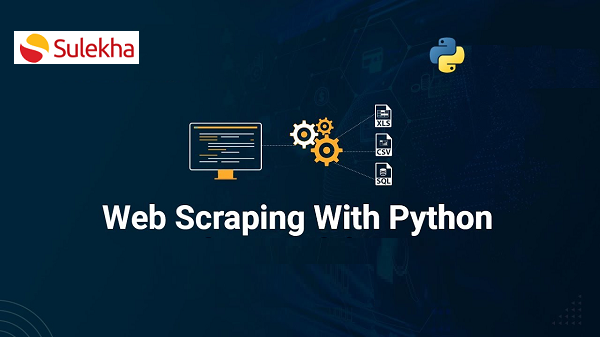
How to Build a Data Web Scraper Tool with Python
Web scraping involves processes to extract data from websites. This process is often performed using software that can simulate a user's actions on a website.
10 Python Tips and Tricks for Efficient Coding
Introduction
Latest blogs on technology to explore

Drug Safety & Pharmacovigilance: Your 2026 Career Passport to a Booming Healthcare Industry!
Why This Course Is the Hottest Ticket for Science Grads & Healthcare Pros (No Lab Coat Required!)" The Exploding Demand for Drug Safety Experts "Did you know? The global pharmacovigilance market is set to hit $12.5B by 2026 (Grand View Research, 202

Launch Your Tech Career: Why Mastering AWS Foundation is Your Golden Ticket in 2026
There’s one skill that can open all those doors — Amazon Web Services (AWS) Foundation

Data Science in 2026: The Hottest Skill of the Decade (And How Sulekha IT Services Helps You Master It!)
Data Science: The Career that’s everywhere—and Nowhere Near Slowing Down "From Netflix recommendations to self-driving cars, data science is the secret sauce behind the tech you use every day. And here’s the kicker: The U.S. alone will have 11.5 mill

Salesforce Admin in 2026: The Career Goldmine You Didn’t Know You Needed (And How to Break In!)
The Salesforce Boom: Why Admins Are in Crazy Demand "Did you know? Salesforce is the 1 CRM platform worldwide, used by 150,000+ companies—including giants like Amazon, Coca-Cola, and Spotify (Salesforce, 2025). And here’s the kicker: Every single one

Python Power: Why 2026 Belongs to Coders Who Think in Python
If the past decade was about learning to code, the next one is about coding smarter. And in 2026, the smartest move for any IT enthusiast is learning Python — the language that powers AI models, automates the web, and drives data decisions across ind

The Tableau Revolution of 2025
"In a world drowning in data, companies aren’t just looking for analysts—they’re hunting for storytellers who can turn numbers into decisions. Enter Tableau, the #1 data visualization tool used by 86% of Fortune 500 companies (Tableau, 2024). Whether
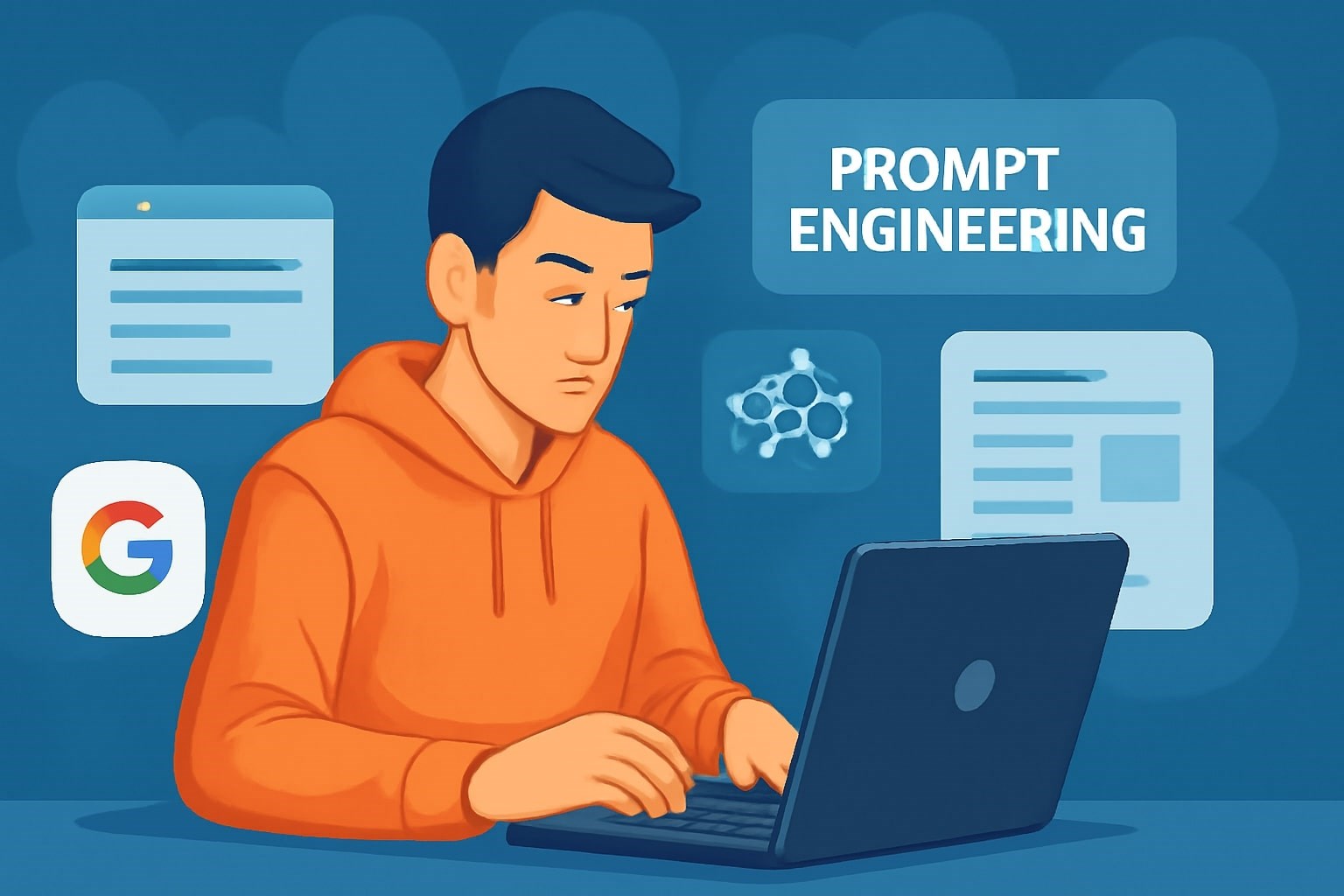
From Student to AI Pro: What Does Prompt Engineering Entail and How Do You Start?
Explore the growing field of prompt engineering, a vital skill for AI enthusiasts. Learn how to craft optimized prompts for tools like ChatGPT and Gemini, and discover the career opportunities and skills needed to succeed in this fast-evolving indust
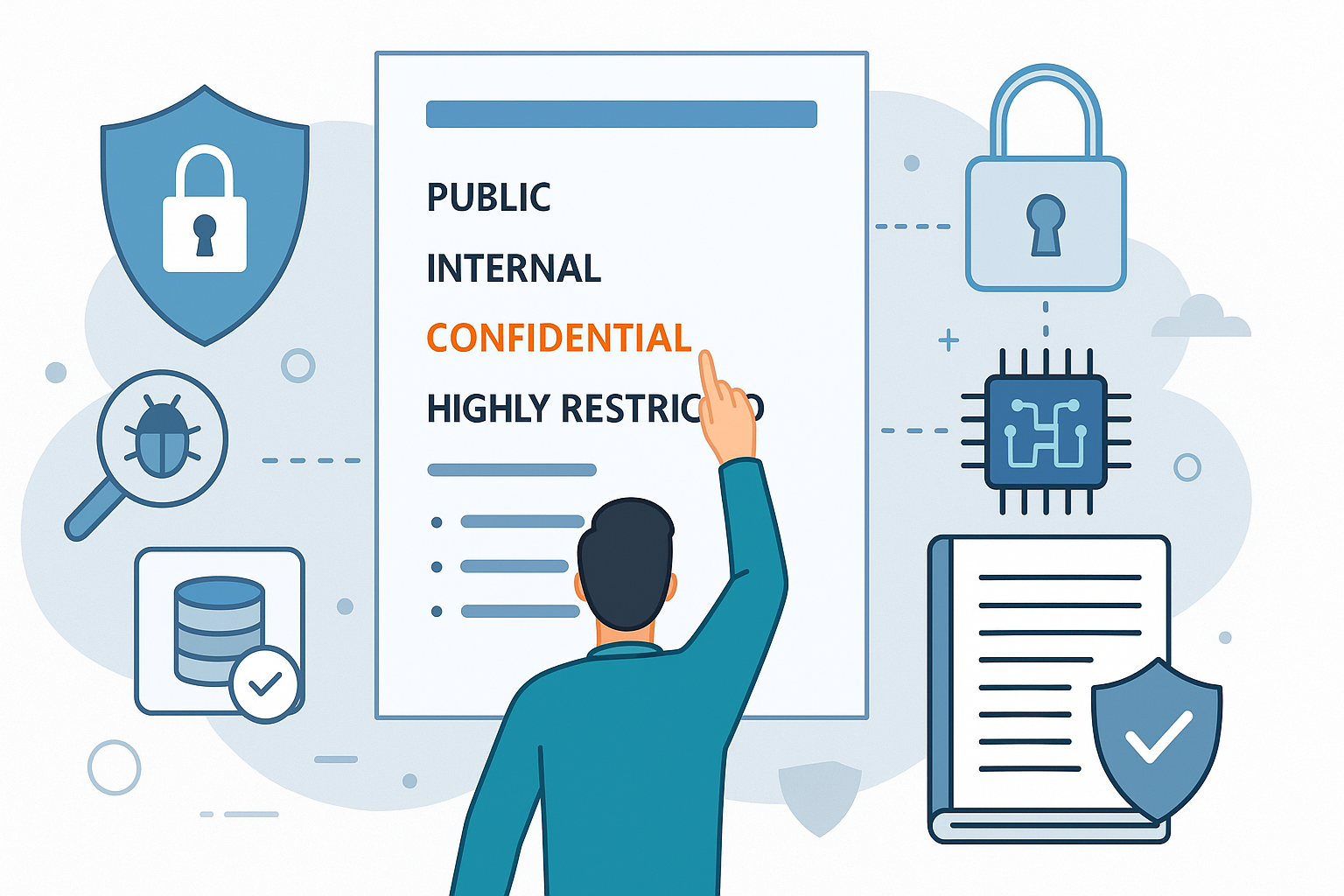
How Security Classification Guides Strengthen Data Protection in Modern Cybersecurity
A Security Classification Guide (SCG) defines data protection standards, ensuring sensitive information is handled securely across all levels. By outlining confidentiality, access controls, and declassification procedures, SCGs strengthen cybersecuri

Artificial Intelligence – A Growing Field of Study for Modern Learners
Artificial Intelligence is becoming a top study choice due to high job demand and future scope. This blog explains key subjects, career opportunities, and a simple AI study roadmap to help beginners start learning and build a strong career in the AI
Java in 2026: Why This ‘Old’ Language Is Still Your Golden Ticket to a Tech Career (And Where to Learn It!
Think Java is old news? Think again! 90% of Fortune 500 companies (yes, including Google, Amazon, and Netflix) run on Java (Oracle, 2025). From Android apps to banking systems, Java is the backbone of tech—and Sulekha IT Services is your fast track t