Cloud Computing Technology- The New Rage
Cloud computing is a model for on-demand network approach to a common pool of customizable computing resources like servers, networks that can be swiftly furnished and delivered with minimum management effort. Due to the ease of accessibility of data, raised computer power and performance and for being cheap, cloud computing is increasingly gaining popularity in organizations. Noted brands are shifting their data to a remotely accessible, common pool of online workspaces and cloud computing has gained considerable popularity for its seamless business integration.
Due to the ever growing need of cloud based services in organizations, the demand of cloud computing developers and architects is on the rise. Command a handsome salary by doing a cloud computing technology certification course from a recognized institute and get a job in one of the acclaimed IT companies.
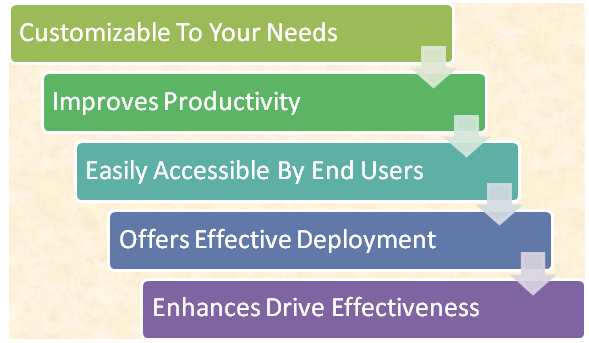
The Prime Benefits Of Using Cloud-Based Services Are:
#1 Flexibility
Those businesses with fluctuating or growing bandwidth requirements are in absolute need of such cloud-based services. With the help of the cloud services remote servers, the cloud capacity can be scaled up or down according to the business needs. This level of flexibility, can give those businesses employing the cloud computing services a competitive edge over their rivals. Thus, shape your career in the right direction with a Microsoft cloud computing certification course.
#2 Automatic software updates
The advantage of employing the cloud computing services is that the servers are maintained at another location by the suppliers, who dish out security and software updates regularly for your benefit and you do not have to waste your time or shell out money to maintain the system.
#3 Capital-expenditure Free
Employing the cloud-based platform has the advantage of no capital investment. There is no investment on hardware or software and suppliers offer a package of per license/per month model, that can be adjusted at the end of every year of contract.
#4 Disaster recovery
All businesses invest heavily on disaster recovery but for the small organizations that lack the adequate funds and competence, depend on the cloud-based back-up and recovery solutions. These small organizations do not need an exorbitant investment in capital and involve the proficiency and services of the third-party.
#5 Work from anywhere
This is a huge advantage of using this platform. With a network connection, the work can be done from any location and with the cloud services offering various mobile apps, any device can be used to utilize the cloud –based services.
#6 Document control
The cloud computing technology allows the central storage of files, which increases visibility, enhances collaboration and that ultimately means healthier bottom line and better work. Before the advent of the cloud-based services, the employees of an organization had to send files forth and back as email attachments to be worked upon by one user at a time. This ultimately leads to the damage of the file content. Hence, cloud-based services are a welcoming change.
#7 Increased collaboration
The cloud-based file sharing apps and workflow can enable the employees in an organization to make the updates in real time and they can even edit access and share the documents from anywhere and anytime. This offers a visibility of their collaborations and they can work better and achieve more.
#8 Security
Cloud-based services afford a lot of security in storing data. This data can be accessed anytime and from anywhere, even if a machine is damaged. Data from lost laptops can be remotely wiped, so that it is not tampered by the wrong people. Storing data safely is of paramount importance to any business and with the cloud computing services, this problem is solved considerably.
#9 Competitiveness
With the cloud-based services, the small organizations are able to compete with the big shots of the market. As this platform does not require huge up-front investments, it is a huge boon to the small organizations that rely heavily on the cloud-based recovery and back-up solutions. This gives an advantage to the small businesses, which can keep pace with the larger players of the market, while incurring low expenses.
#10 Always-on availability
The providers of cloud-based services are very dependable and maintain 99.9% uptime. The connection is always available and as long as the users have an internet connection, they can work and use applications from anywhere and anytime. Some applications even work off-line.
Hence, for all the above mentioned reasons, the demand of cloud-based services would continue to grow give an edge to your career by doing a cloud computing technology certification program and command a six figure salary.
Find a course provider to learn Cloud Computing Technology
Java training | J2EE training | J2EE Jboss training | Apache JMeter trainingTake the next step towards your professional goals in Cloud Computing Technology
Don't hesitate to talk with our course advisor right now
Receive a call
Contact NowMake a call
+1-732-338-7323Take our FREE Skill Assessment Test to discover your strengths and earn a certificate upon completion.
Enroll for the next batch
Cloud Computing Technology Hands-on Training with Job Placement
- Jun 22 2026
- Online
Cloud Computing Technology Hands-on Training with Job Placement
- Jun 23 2026
- Online
Cloud Computing Technology Hands-on Training with Job Placement
- Jun 24 2026
- Online
Cloud Computing Technology Hands-on Training with Job Placement
- Jun 25 2026
- Online
Cloud Computing Technology Hands-on Training with Job Placement
- Jun 26 2026
- Online
Related blogs on Cloud Computing Technology to learn more

Things CAN go wrong in cloud deployment. What you need to know about it.
A study by THINKStrategies and INetU survey found that at least 70% of the respondents agree to have changed/modified their cloud strategy substantially during the deployment process. This modification process will definitely prove to be costly, some

Top Cloud Computing Skills that are predicted to rock 2017!
Everything is in the cloud. It had almost become inevitable to witness a technology without the impact of cloud. That being said, now it is time to digest the top cloud skills that would be demanding and shear-clearing the job market.

Cloud Computing Skills You Need to Kick-start Your Career
Cloud computing can be summarized as the storage of and access to data and programs that make use of the internet. Traditionally, your computer’s hard drive would be used for these purposes. Cloud computing technology has allowed for flexibility acro

Look out for a suitable cloud computing path
The Cloud computing technology is growing fast like any other contemporary IT platforms. Over the years of its development, the usage of Cloud computing has increased resulting in a huge demand. Even though, its growth cringed some of the IT profess

Prospect of Cloud Computing in 2016
Spies work better than peer to peer communication because a secret way of information gathering turns out to be highly integrated and reliable in a way. Cloud Computing, which uses remote network servers for the purpose of communication and to perfor
Latest blogs on technology to explore

Drug Safety & Pharmacovigilance: Your 2026 Career Passport to a Booming Healthcare Industry!
Why This Course Is the Hottest Ticket for Science Grads & Healthcare Pros (No Lab Coat Required!)" The Exploding Demand for Drug Safety Experts "Did you know? The global pharmacovigilance market is set to hit $12.5B by 2026 (Grand View Research, 202

Launch Your Tech Career: Why Mastering AWS Foundation is Your Golden Ticket in 2026
There’s one skill that can open all those doors — Amazon Web Services (AWS) Foundation

Data Science in 2026: The Hottest Skill of the Decade (And How Sulekha IT Services Helps You Master It!)
Data Science: The Career that’s everywhere—and Nowhere Near Slowing Down "From Netflix recommendations to self-driving cars, data science is the secret sauce behind the tech you use every day. And here’s the kicker: The U.S. alone will have 11.5 mill

Salesforce Admin in 2026: The Career Goldmine You Didn’t Know You Needed (And How to Break In!)
The Salesforce Boom: Why Admins Are in Crazy Demand "Did you know? Salesforce is the 1 CRM platform worldwide, used by 150,000+ companies—including giants like Amazon, Coca-Cola, and Spotify (Salesforce, 2025). And here’s the kicker: Every single one

Python Power: Why 2026 Belongs to Coders Who Think in Python
If the past decade was about learning to code, the next one is about coding smarter. And in 2026, the smartest move for any IT enthusiast is learning Python — the language that powers AI models, automates the web, and drives data decisions across ind

The Tableau Revolution of 2025
"In a world drowning in data, companies aren’t just looking for analysts—they’re hunting for storytellers who can turn numbers into decisions. Enter Tableau, the #1 data visualization tool used by 86% of Fortune 500 companies (Tableau, 2024). Whether

From Student to AI Pro: What Does Prompt Engineering Entail and How Do You Start?
Explore the growing field of prompt engineering, a vital skill for AI enthusiasts. Learn how to craft optimized prompts for tools like ChatGPT and Gemini, and discover the career opportunities and skills needed to succeed in this fast-evolving indust
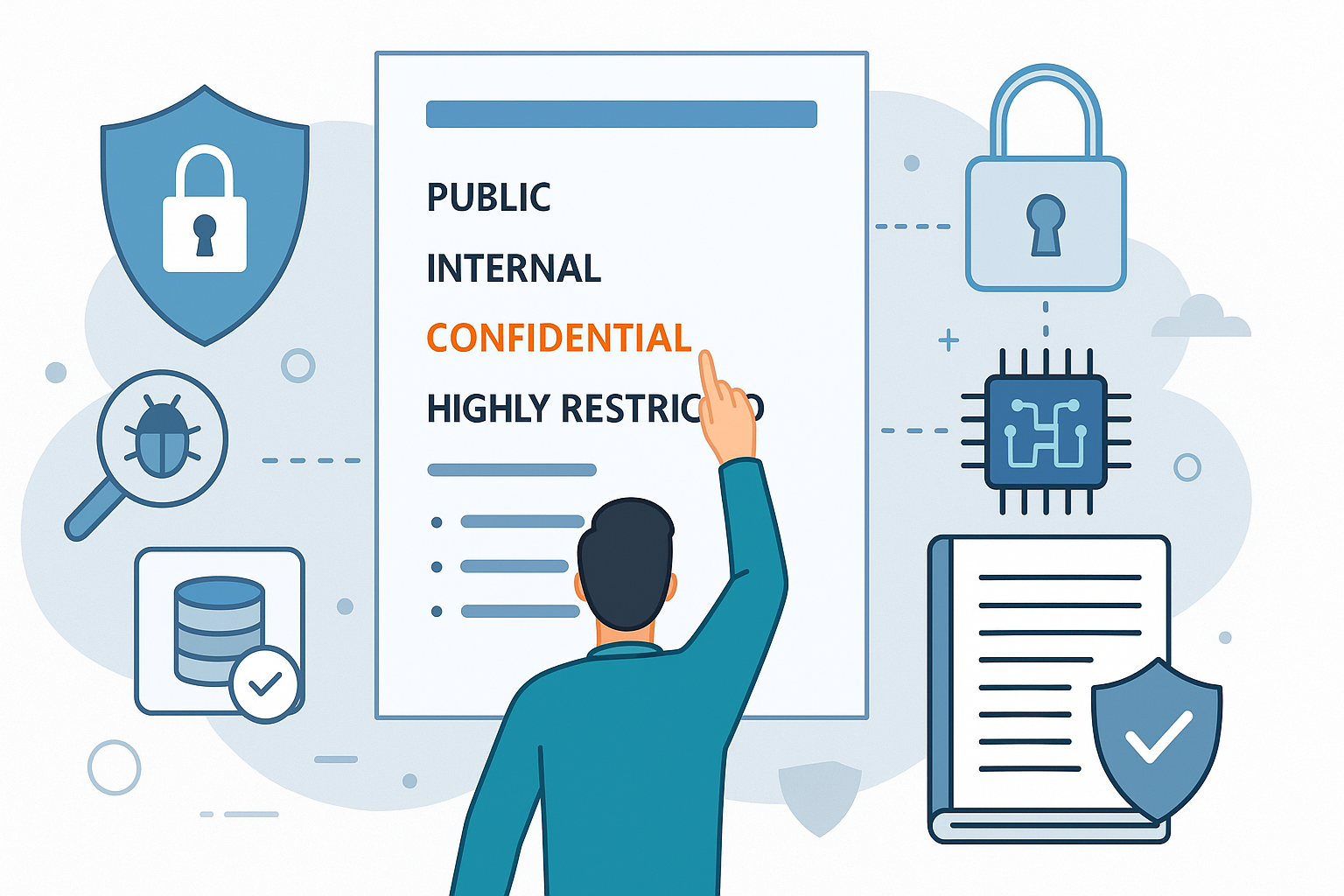
How Security Classification Guides Strengthen Data Protection in Modern Cybersecurity
A Security Classification Guide (SCG) defines data protection standards, ensuring sensitive information is handled securely across all levels. By outlining confidentiality, access controls, and declassification procedures, SCGs strengthen cybersecuri

Artificial Intelligence – A Growing Field of Study for Modern Learners
Artificial Intelligence is becoming a top study choice due to high job demand and future scope. This blog explains key subjects, career opportunities, and a simple AI study roadmap to help beginners start learning and build a strong career in the AI

Java in 2026: Why This ‘Old’ Language Is Still Your Golden Ticket to a Tech Career (And Where to Learn It!
Think Java is old news? Think again! 90% of Fortune 500 companies (yes, including Google, Amazon, and Netflix) run on Java (Oracle, 2025). From Android apps to banking systems, Java is the backbone of tech—and Sulekha IT Services is your fast track t